

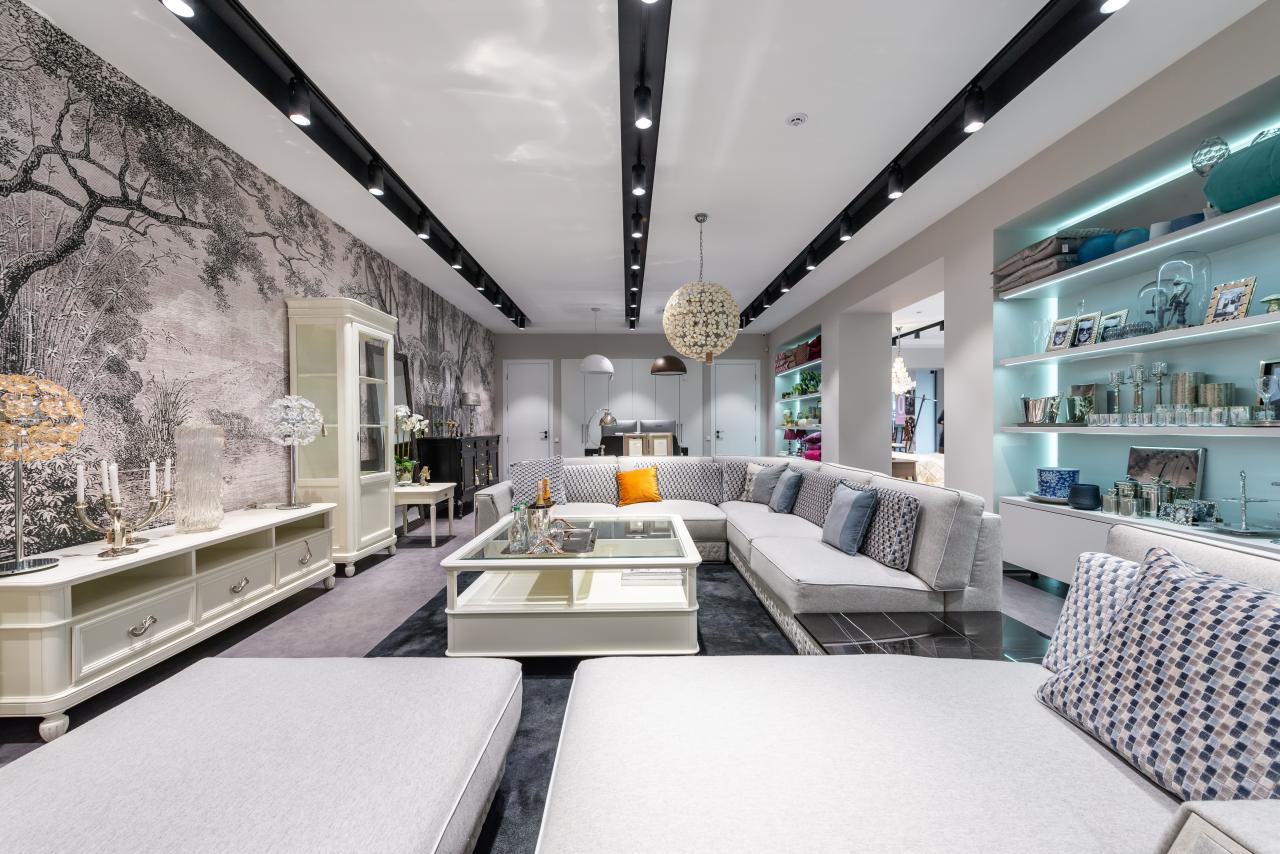
The global interior architecture market, luxury residential real estate infrastructure, and commercial property development ecosystem are currently undergoing a massive structural transformation toward enterprise customizable modular living room layout equipment platforms, an innovative industrial framework that treats automated steel frame assembly units, high-precision upholstery cutting systems, modular connector stamping presses, and continuous surface telemetry networks as top-tier strategic assets requiring the exact same financial discipline as an institutional investment portfolio.
Commercial design firms, luxury hospitality developers, enterprise property renovators, and architectural fit-out contractors are actively navigating an unprecedented evolution in adaptable spatial environments where rigid furniture configurations, fixed structural wall dividers, volatile organic compound foam coatings, and legacy manual layout assembly workflows are no longer sufficient for managing modern architectural wellness standards and high-density commercial aesthetic demands, replaced instead by dynamic enterprise modular furniture manufacturing suites that leverage automated frame welding, natural textile integration, continuous foam density monitoring, and digitized spatial reconfigurability testing to deliver highly resilient adaptable interior environments across global commercial networks.
This technological paradigm shift is driven by the strict operational reality that furnishing high-end residential and commercial developments exclusively through outdated fixed-layout furniture supply chains introduces severe spatial inflexibility liabilities, escalating lifecycle replacement expenses, and unaddressed wear degradation risks, making legacy surface decoration models financially and operationally unsustainable for modern real estate enterprises.
Comprehensive architectural industry market analyses confirm that deploying enterprise modular layout processing machinery into commercial decoration workflows dramatically lowers furniture procurement overhead, accelerates project completion timelines, and enhances long-term property asset appraisals by replacing static furniture installations with fully automated, target-tailored modular seating and wall partition engines.
These sophisticated material processing platforms do not rely on basic hand wrenches or simple manual staple guns; rather, they process complex high-tensile steel alloys, fire-retardant memory foams, sustainably harvested timber frames, and high-performance commercial textiles through specialized automated thermal bonding and high-precision robotic assembly networks to guarantee that finished modular seating systems, movable acoustic screens, and reconfigurable wall units achieve optimal structural stability, superior joint fastness, compliant commercial fire safety ratings, and high factory throughput rates.
For chief operating officers, real estate development directors, and interior technology venture capital partners, establishing a comprehensive modular layout processing infrastructure represents an essential strategic imperative, unlocking an unprecedented level of spatial longevity, operational throughput, and capital investment returns that legacy decorating setups simply cannot deliver.
As the financial costs of synthetic material regulatory fines, frequent commercial re-furnishing cycles, and space remediation projects continue to compound across competitive property sectors, maintaining absolute authority over high-performance modular manufacturing machinery and advanced automated layout technology has emerged as a primary benchmark for forward-thinking leadership focused on sustaining long-term operational resilience, product line quality compliance, and market dominance.
This detailed technical report evaluates the core functional modules, material processing architectures, and strategic deployment frameworks of top enterprise modular living room layout equipment, providing an actionable roadmap for any organization seeking to transform its interior development facilities into a high-performance, adaptable architectural design engine.
By incorporating these advanced multi-axis CNC cutting stations, continuous steel frame welding robots, and automated textile tensioning platforms into your manufacturing and renovation operations today, your organization effectively mitigates compliance risks, establishes strong market entry barriers, and secures a permanent competitive advantage across all global commercial and luxury residential real estate sectors.
Multi Axis Automated CNC Foam Cutting Machinery
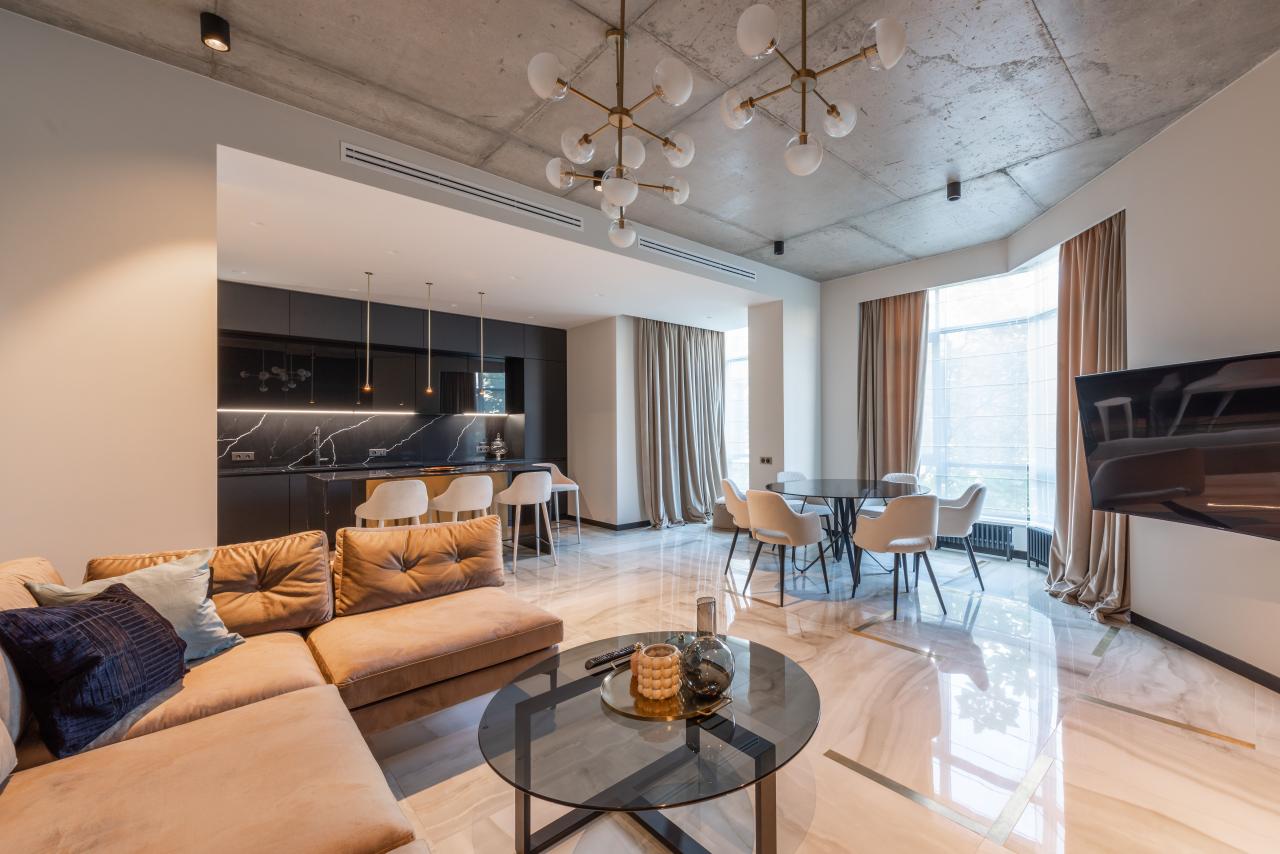
Modern modular seating production plants rely on multi-axis automated CNC foam cutting machinery to shape variable-density polyurethane and latex cushioning. These advanced industrial foam shaping centers execute intricate ergonomic contours and interlocking modular profiles across high-resilience foam blocks with sub-millimeter precision continuously.
A. High-speed oscillating wire cutters glide along dynamic spatial coordinates, slicing complex cushion profiles into dense memory foam blocks effortlessly. B. Automated optical density sensors scan raw foam blocks continuously, adjusting cutting feed rates to prevent material deformation during high-speed contouring operations. C. Vacuum-assisted cutting beds secure flexible foam slabs firmly, preventing structural shifts and edge jaggedness during multi-angle blade passes.
Precision contouring of high-resilience cushioning under automated CNC parameters prevents seating sagging and structural breakdown under heavy commercial usage. Real estate development firms supply flexible corporate lounges and luxury residential suites with ergonomic modular seating that maintains supportive comfort for extended operational lifespans.
Continuous High Pressure Steel Modular Frame Welding Stations
Manufacturing heavy-duty modular sofa bases, sectional connectors, and reconfigurable wall frame frameworks relies on continuous high-pressure robotic steel frame welding platforms. Advanced automated welding cells join thick tubular steel profiles and reinforced aluminum channels continuously under controlled atmospheric conditions.
A. Articulated robotic welding arms execute seamless laser-guided joints, fusing heavy steel frame tubing with absolute structural integrity. B. Automated pneumatic clamping fixtures lock frame components in high-precision spatial alignments, eliminating heat-induced metal warping during continuous welding runs. C. Integrated ultrasonic weld inspection sensors scan joint penetrations automatically, detecting sub-surface fractures and porosity defects before frame coating procedures.
Welding high-strength metal frame skeletons under automated robotic parameters ensures exceptional weight-bearing capacity for modular seating configurations. Property developers acquire rock-solid furniture foundations capable of enduring repeated spatial reconfigurations in high-traffic commercial environments.
Computerized High Tonnage Connector Stamping Presses
Achieving instant, tool-free spatial reconfigurability across modular living room layouts requires computerized high-tonnage interlocking connector stamping presses. Advanced metal stamping platforms punch, bend, and form heavy-gauge stainless steel connector brackets, quick-release latches, and hidden locking pins with extreme repeatability.
A. Progressive multi-stage die sets stamp raw stainless steel sheets continuously, creating complex interlocking bracket geometries within milliseconds. B. Automated servo-feed mechanisms advance raw sheet metal rolls with sub-millimeter indexing precision, maximizing material utilization and minimizing scrap rates. C. Continuous optical vision systems inspect stamped locking pin dimensions continuously, rejecting out-of-tolerance connector brackets before assembly line integration.
Forming precision interlocking connectors allows property owners and hotel operators to transform living room layouts without specialized maintenance crews or structural tools. Facility managers rapidly reconfigure open-plan residential spaces into private meeting zones or social lounge layouts effortlessly.
Automated Precision Textile Tensioning And Upholstery Platforms
Applying tight, crease-free commercial textiles onto complex modular sofa backs and movable ottomans relies on automated precision textile tensioning and upholstery platforms. Advanced pneumatic upholstering systems stretch high-performance woven fabrics, leather hides, and synthetic velvets uniformly over cushioned frames.
A. Multi-point pneumatic stretch clamps grip fabric edges evenly, applying pre-calibrated tensile force across all directions to prevent surface wrinkles. B. Automated staple insertion heads drive heavy-duty fasteners along perimeter frame channels, securing stretched textiles with uniform holding power. C. Integrated laser alignment guides project grid lines across patterned fabrics, ensuring perfectly straight seam trajectories and pattern matching across adjacent modular sections.
Tensioning commercial upholstery fabrics under automated pneumatic control eliminates loose cover sagging and premature fabric wear in commercial environments. Contract interior suppliers deliver flawless, highly durable modular seating units that retain tailored visual aesthetics under continuous daily use.
Automated Multi Rip Timber Slat Processing Lines
Manufacturing internal hardwood frame supports, flexible slatted bases, and decorative timber accent paneling for modular layouts relies on automated multi-rip sawing lines. Advanced timber processing centers evaluate raw hardwood boards, slicing raw lumber into uniform structural slats with minimal kerf loss.
A. High-resolution infrared optical scanners map raw lumber board defects instantly, calculating optimal slicing patterns for maximum usable yield. B. Dynamic multi-blade gang saw arrays adjust blade spacing dynamically, cutting varying slat dimensions required for custom modular seating frameworks. C. Automated pneumatic sorting conveyors classify sawn timber slats by grain density and flexural strength, streamlining downstream frame assembly workflows.
Optimizing raw lumber yields through automated laser guidance lowers timber procurement costs significantly across large-scale commercial fit-outs. Construction teams accelerate internal frame manufacturing while maintaining uniform structural rigidity across every modular unit.
Continuous Powder Coating And Curing Systems For Modular Frames
Applying durable, scratch-resistant matte finishes onto metal modular frames and exposed connector hardware relies on continuous automated powder coating lines. Advanced electrostatic coating booths spray dry polymer resin powders onto charged metal frames before curing them in high-temperature thermal ovens.
A. Multi-axis electrostatic spray guns apply uniform dry powder coatings, achieving complete paint coverage across complex frame joints and recessed locking channels. B. Automated powder recovery cyclone systems capture over-sprayed resin particles continuously, recycling unused coating powder back into the main spray hoppers. C. Continuous infrared curing ovens melt and cross-link polymer powders at high temperatures, forming an impenetrable, impact-resistant surface barrier.
Coating modular frame components with durable powder finishes protects internal metal structures from corrosion, abrasion, and daily impact damage. Property developers secure long-lasting metallic finishes that maintain crisp industrial aesthetics through years of commercial layout changes.
Computerized Multi Layer Foam Laminating Machinery
Creating multi-density ergonomic seating cores that balance soft surface cushioning with firm base support relies on computerized multi-layer foam laminating machinery. Advanced adhesive laminating platforms bond viscoelastic memory foams, high-resilience polyurethane layers, and natural coconut coir pads into unified cushion blocks.
A. Automated micro-dispensing spray heads coat foam slab surfaces with water-based eco-adhesives, achieving uniform glue coverage without off-gassing hazards. B. High-pressure compression rollers press stacked foam layers together firmly, eliminating air pockets and creating unbreakable structural bonds. C. Inline infrared flash-off tunnels dry water-based adhesives rapidly, enabling instant downstream cutting and upholstery wrapping without production delays.
Laminating distinct foam density layers produces superior pressure-relieving seating comfort engineered specifically for long-duration residential and hospitality relaxation. Modular furniture manufacturers construct durable cushion cores that resist compression set and flattening over extended operational periods.
Automated Robotic Assembly Cells For Modular Cabinetry Units
Assembling reconfigurable living room credenzas, modular media consoles, and floating wall shelf systems relies on multi-axis robotic assembly cells. Advanced industrial robots handle, glue, dowel, and clamp interlocking composite wood panels with absolute spatial accuracy and high repeatability.
A. Articulated robotic arms equipped with suction grippers pick pre-cut cabinet panels, positioning them into interlocking box configurations rapidly. B. Automated dowel insertion systems inject precise adhesive volumes and drive wooden dowels into pre-drilled panel holes with high insertion force. C. Heavy-duty pneumatic case clamps squeeze assembled modular cabinet units from all directions, ensuring perfectly square 90-degree corner joints during adhesive setting.
Automating modular cabinet assembly eliminates manual squareness errors and accelerates production output for large-scale multi-family housing developments. Real estate renovators install sleek, perfectly aligned modular storage systems that adapt to changing tenant spatial needs seamlessly.
Inline Digital Twin Seating Reconfigurability Testing Rig
Verifying joint durability, latch retention force, and spatial alignment across complex modular furniture layouts relies on inline digital twin reconfigurability testing rigs. Advanced mechanical testing platforms simulate years of daily sofa detachment, re-latching, and occupant weight loads continuously.
A. Pneumatic actuator arms apply repeated push-pull forces against modular locking brackets, measuring latch retention strength over thousands of mechanical cycles. B. Multi-camera optical tracking systems record joint deflection and frame alignment shifts under heavy simulated load distributions. C. Cloud-connected diagnostic software analyzes mechanical wear metrics instantly, flagging weak bracket designs or frame stress points before mass production.
Testing modular seating durability digitally eliminates field bracket failures and prevents costly furniture recall campaigns for commercial property owners. Quality control directors guarantee robust, smooth-operating modular connectors that endure frequent layout transformations effortlessly.
Strategic Capital Allocation And Modular Machinery ROI Modeling
Evaluating enterprise modular layout equipment acquisitions through a structured corporate finance framework converts furniture manufacturing upgrades into a high-yield capital investment strategy. Advanced financial modeling software projects capital expenditure payback timelines, material efficiency gains, and long-term asset value enhancements accurately.
A. Financial forecasting software calculates capital payback periods by modeling reduced spatial renovation labor, lower furniture replacement costs, and higher rental property yields. B. Total cost of ownership tools analyze long-term CNC tool wear, powder coating energy draw, and preventive maintenance across multi-year operational cycles. C. Enterprise valuation modeling modules quantify proprietary automated layout capacity and adaptable furniture manufacturing patents, elevating firm appraisals for institutional investors.
Structuring automated modular equipment investments through corporate finance modeling validates capital allocation requests to executive board members. Executive leadership establishes a highly profitable, scalable modular interior material manufacturing footprint engineered for continuous commercial success.
Conclusion
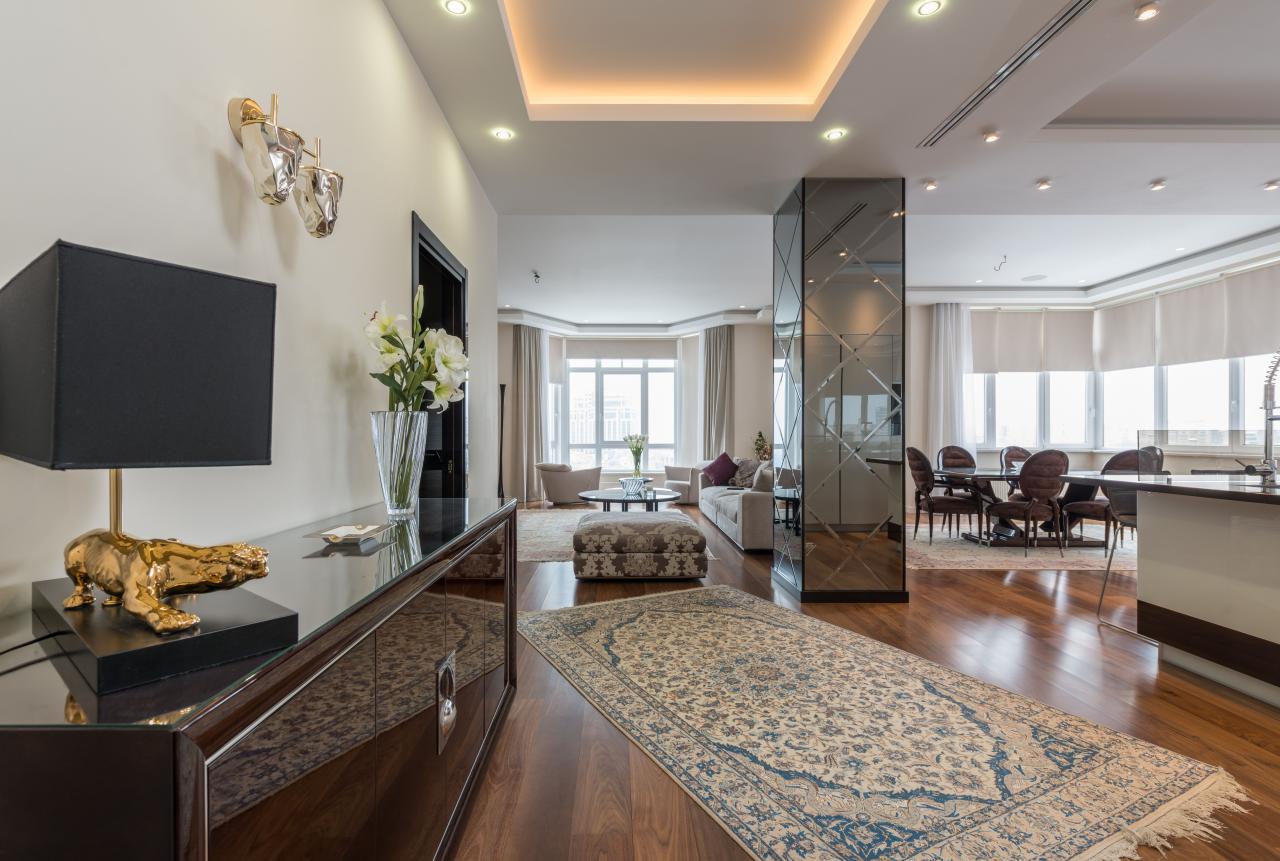
Investing in enterprise modular living room layout equipment represents a vital strategic move for modern property development and interior leadership teams. Automating modular furniture processing eliminates spatial rigidity liabilities, frequent replacement expenses, and material degradation risks across commercial operations.
Every mechanical and digital optimization within your furniture processing framework directly strengthens factory throughput and long-term property asset value. Sustaining continuous commercial growth requires a resilient interior material manufacturing infrastructure capable of producing adaptable organic finishes rapidly without operational delays.
Advanced CNC foam cutters, robotic welding cells, and automated upholstery platforms deliver the technical precision needed to lead in fast-growing luxury and commercial interior sectors. Securing total authority over custom modular furniture manufacturing infrastructure is a decisive action for forward-thinking manufacturing leadership teams.
As global interior design markets demand adaptable spatial aesthetics and healthy indoor environments, maintaining full control over your specialized material processing machinery becomes your primary operational asset. Your enterprise’s future interior production capacity and commercial profitability depend directly on the structural quality of the material processing platforms you deploy today.