

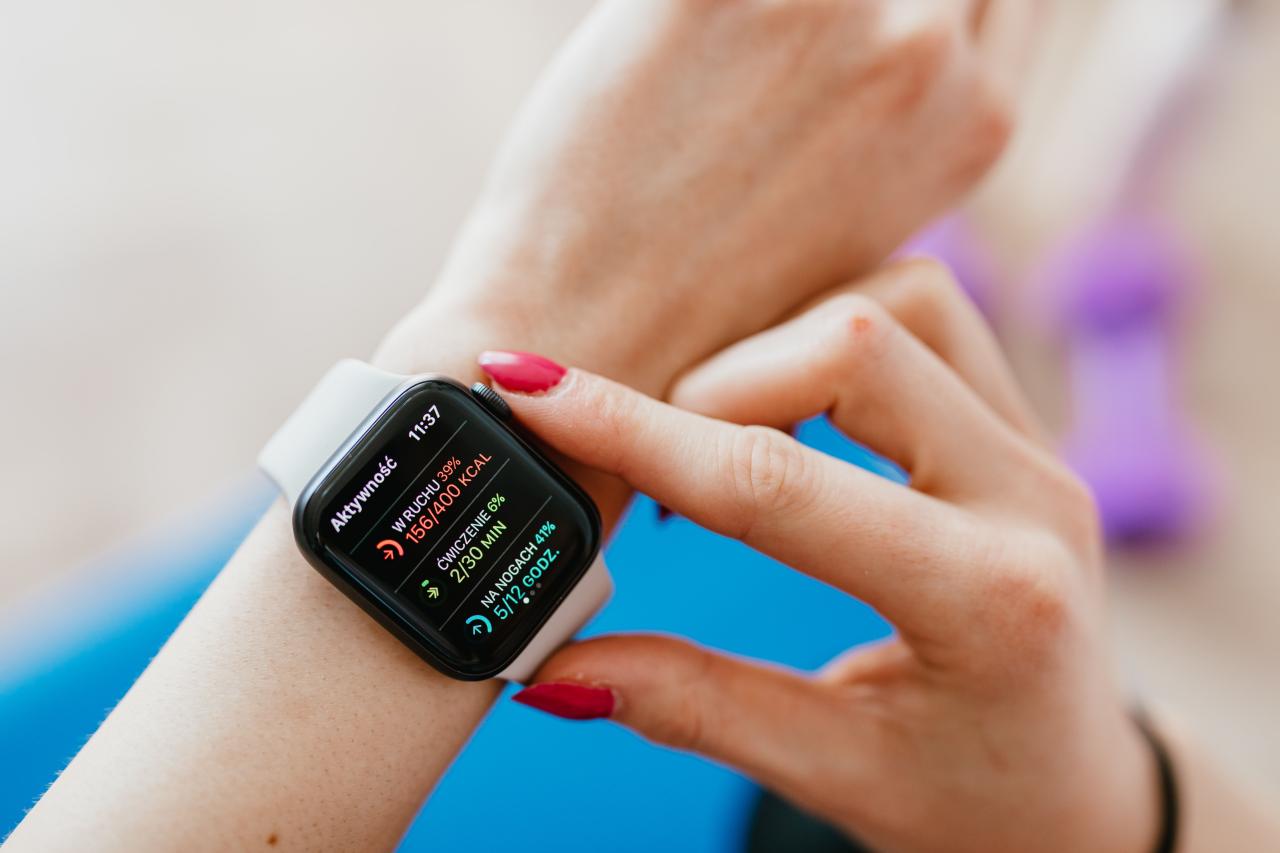
The global digital health infrastructure, medical device manufacturing ecosystem, and enterprise remote patient monitoring landscape are currently undergoing a massive structural transformation toward advanced artificial intelligence health tracking suites, an innovative medical architecture that treats enterprise wearable sensors, real-time edge processing modules, predictive physiological analytics platforms, and automated biometric telemetry networks as top-tier strategic assets requiring the exact same financial discipline as an institutional investment portfolio.
Executive healthcare networks, commercial medical centers, private corporate wellness providers, and specialized clinical research institutes are actively navigating an unprecedented evolution in proactive health management where traditional intermittent checkups, manual vital sign logging, reactive disease interventions, and non-continuous consumer step-trackers are no longer sufficient for managing modern chronic disease vectors and preventative wellness demands, replaced instead by dynamic enterprise AI wearable tracking platforms that leverage multi-wavelength photoplethysmography, continuous interstitial fluid sensing, deep neural network biometric signal processing, and real-time cardiovascular telemetry to deliver precise physiological evaluations across global clinical and corporate operations.
This technological paradigm shift is driven by the strict operational reality that monitoring patient populations exclusively through episodic clinical visits introduces severe diagnostic oversight liabilities, unaddressed cardiovascular emergency risks, and delayed treatment intervention timelines, making legacy reactive health models financially and clinically unsustainable for modern healthcare organizations.
Comprehensive clinical technology market analyses confirm that deploying enterprise AI wearable health tracking systems into commercial healthcare workflows dramatically accelerates early disease detection rates, optimizes personalized medical intervention protocols, and enhances long-term clinical asset value by replacing basic consumer wearables with fully automated, target-tailored biological telemetry suites.
These sophisticated medical tracking systems do not rely on simple mechanical motion sensors or basic heart rate monitors; rather, they process complex multi-modal physiological signals through specialized edge-computed machine learning models and medical-grade bio-sensor arrays to guarantee that continuous clinical metrics achieve optimal diagnostic specificity, superior signal-to-noise ratios, compliant health privacy standards, and high data throughput rates.
For chief medical officers, clinical operations directors, and digital health venture capital partners, establishing a comprehensive AI wearable tracking infrastructure represents an essential strategic imperative, unlocking an unprecedented level of diagnostic precision, operational efficiency, and capital investment returns that legacy health monitoring workflows simply cannot deliver.
As the financial costs of emergency hospital readmissions, unmanaged chronic conditions, and outdated telemetry hardware continue to compound across competitive medical sectors, maintaining absolute authority over high-performance wearable sensing machinery and advanced health analytics software has emerged as a primary benchmark for forward-thinking leadership focused on sustaining long-term patient outcomes, operational resilience, and market dominance.
This detailed technology report evaluates the core functional modules, bio-sensor architectures, and strategic deployment frameworks of top enterprise AI wearables health tracking ecosystem solutions, providing an actionable roadmap for any organization seeking to transform its medical infrastructure into a high-performance, proactive health extension engine.
By incorporating these advanced biometric sensors, edge-AI microcontrollers, and cloud telemetry platforms into your clinical operations today, your organization effectively mitigates diagnostic oversight risks, establishes strong medical market barriers, and secures a permanent competitive advantage across all global healthcare operations.
High Precision Multi Wavelength Photoplethysmography Optical Sensor Arrays
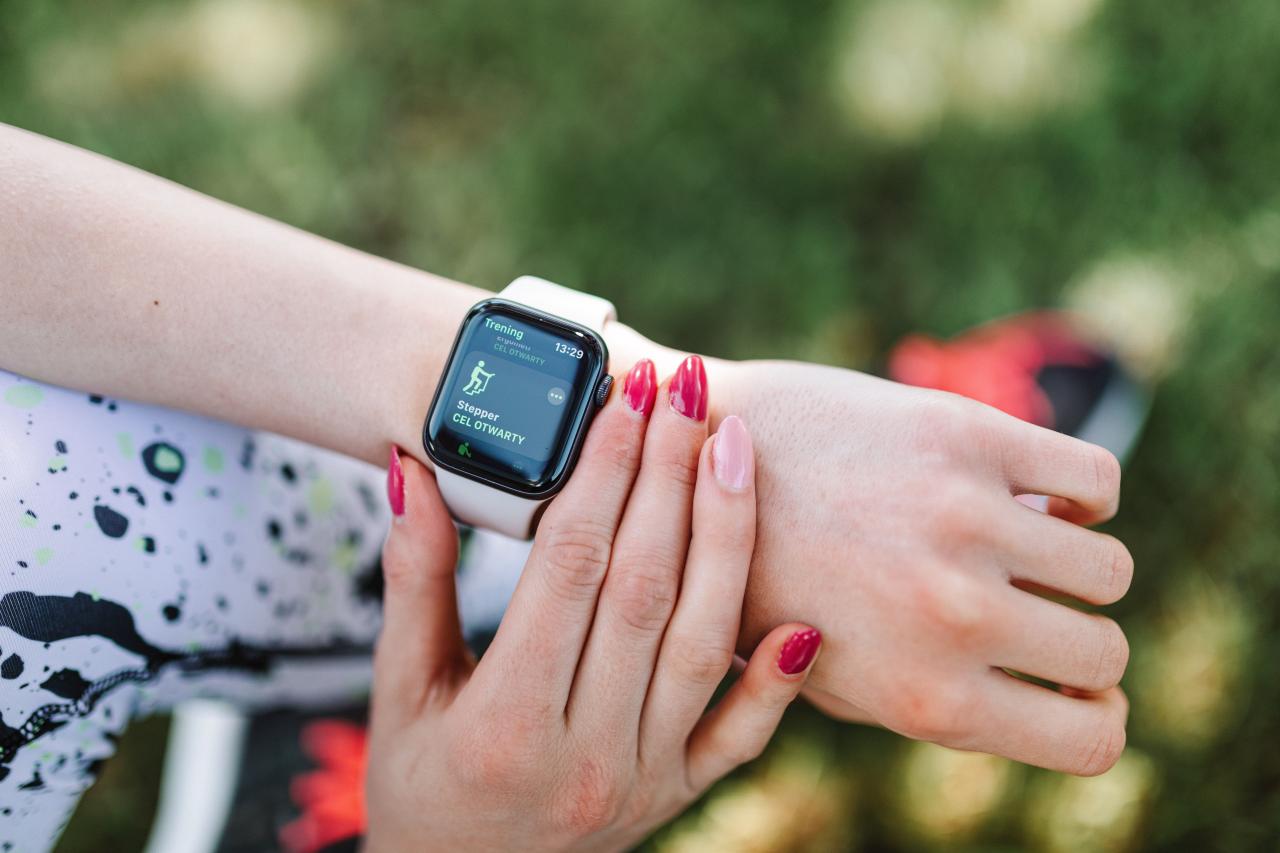
Modern enterprise AI wearable tracking platforms rely on multi-wavelength photoplethysmography sensor modules to evaluate cardiovascular parameters at high sampling frequencies. These advanced optical arrays emit targeted light spectra continuously, measuring microvascular blood volume changes with absolute clinical precision.
A. Multi-LED optical emitters deliver green, red, and infrared wavelengths simultaneously, penetrating skin tissue at varying depths to capture complex arterial waveform dynamics. B. High-sensitivity silicon photodiodes detect reflected light intensity continuously, converting minute arterial pulse waves into high-resolution digital telemetry streams. C. Automated motion artifact cancellation algorithms isolate clean pulse waveforms, filtering out physical movement interference during active patient mobility.
Capturing pristine cardiovascular waveforms enables clinical AI models to measure arterial stiffness and continuous blood pressure fluctuations accurately. Healthcare providers supply precise cardiovascular risk reports that guide timely clinical interventions.
Continuous Interstitial Fluid Multi Analyte Biosensor Platforms
Monitoring metabolic health continuously across large patient cohorts relies on non-invasive or minimally invasive interstitial fluid sensing hardware. Advanced continuous biosensor suites measure glucose, lactate, and electrolyte concentrations, transmitting metabolic metrics to central AI analytics engines continuously.
A. Micro-needle enzymatic electrode arrays sense interstitial glucose and lactate levels continuously, eliminating pain associated with traditional finger-stick blood testing. B. High-selectivity hydrogel membranes protect internal sensing electrodes from bio-fouling, maintaining calibration stability across multi-week continuous wearing cycles. C. Ultra-low-power Bluetooth microcontrollers transmit encrypted metabolic telemetry streams directly to patient smartphone hubs and clinical dashboards automatically.
Detecting rapid metabolic shifts allows clinical teams to implement immediate therapeutic adjustments prior to severe hyper- or hypoglycemic events. Enterprise medical networks deliver continuous metabolic monitoring that prevents long-term diabetic complications.
Ultra Low Power Edge AI Biometric Microcontrollers
Processing high-frequency physiological data directly on wearable devices requires specialized low-power edge processing hardware integrated with neural network accelerators. Advanced microcontroller units execute complex signal processing tasks locally, reducing wireless transmission bandwidth demands significantly.
A. Dedicated neural processing units run real-time arrhythmia detection models locally, identifying dangerous atrial fibrillation patterns within milliseconds. B. Energy-efficient microcontroller cores manage multi-sensor sampling rates dynamically, optimizing battery conservation without sacrificing critical clinical data collection. C. On-chip secure element hardware encrypts sensitive biometric data at rest, preventing unauthorized access to raw physiological sensor logs.
Executing signal analysis on the wearable device ensures critical health alerts trigger instantly without relying on continuous cloud connectivity. Device manufacturers deliver long battery operating lifespans that improve continuous patient compliance.
Multi Lead Electrocardiogram Patch Telemetry Systems
Detecting complex cardiac conduction abnormalities requires wearable multi-lead electrocardiogram patch systems engineered for long-term continuous adhesion. Advanced clinical patch suites record multi-vector electrical heart signals, capturing transient arrhythmias that standard holter monitors frequently miss.
A. Flexible hydrogel electrode arrays maintain stable electrical contact with skin tissue, minimizing baseline drift during vigorous physical movement. B. Ultra-thin flexible printed circuit boards house multi-channel differential amplifiers, recording continuous medical-grade electrocardiogram waveforms cleanly. C. Automated lead quality monitoring sensors detect electrode detachment events automatically, alerting patients to re-position worn patch hardware instantly.
Recording continuous multi-lead electrical waveforms enables cardiology teams to diagnose complex cardiac conditions remotely with high confidence. Clinical centers optimize outpatient management routines while lowering expensive emergency room visits.
Continuous Core Body Temperature Sensing Modules
Evaluating systemic inflammatory responses and circadian cycle disruptions relies on non-invasive core body temperature sensors integrated into wearable form factors. Advanced thermal flux sensors measure deep tissue heat dissipation rates continuously, converting surface readings into accurate core temperature values.
A. Dual-sensor thermal flux modules measure heat flow between skin surfaces and ambient air, calculating internal core body temperature accurately. B. Machine learning thermal prediction models compensate for ambient environmental temperature shifts, maintaining measurement accuracy across changing weather conditions. C. High-frequency thermal sampling channels log minute circadian temperature fluctuations, flagging early physiological infection responses automatically.
Detecting early temperature elevations allows healthcare networks to identify systemic infections long before systemic clinical symptoms become visible. Medical institutions implement rapid quarantine or treatment protocols that protect vulnerable patient populations.
Integrated Continuous Respiratory And Blood Oxygen Telemetry
Assessing pulmonary function and sleep apnea patterns relies on continuous pulse oximetry sensors combined with acoustic respiratory rate tracking modules. Advanced wearable respiratory suites evaluate arterial oxygen saturation levels while analyzing acoustic airflow patterns during sleep cycles.
A. Multi-spectral pulse oximetry sensors measure functional oxygenated hemoglobin ratios continuously, detecting rapid nocturnal desaturation events instantly. B. Integrated MEMS acoustic sensors track upper airway breathing sounds, identifying obstructive sleep apnea events and chronic hypopnea patterns cleanly. C. Automated sleep staging algorithms correlate respiratory effort with pulse rate variability, generating detailed sleep architecture reports for clinical review.
Identifying severe sleep apnea patterns enables clinicians to prescribe targeted continuous positive airway pressure interventions early. Diagnostic sleep centers streamline outpatient sleep studies while reducing operational testing costs.
Automated Real Time Clinical Telemetry And Anomaly Detection Software
Sustaining continuous patient safety across enterprise wearable deployments relies on central cloud-based telemetry software powered by predictive anomaly detection engines. Advanced AI monitoring platforms evaluate continuous patient data streams simultaneously, highlighting acute health deterioration patterns instantly.
A. Automated risk-stratification algorithms analyze continuous vital sign trends continuously, prioritizing high-risk patient alerts on central clinical dashboards. B. Natural language generation engines synthesize continuous physiological metrics into concise clinical summaries, accelerating physician review workflows. C. Automated Electronic Health Record integration pipelines route verified biometric alerts directly into hospital management systems securely.
Continuous automated telemetry eliminates alarm fatigue by filtering out false-positive readings caused by sensor motion artifacts. Clinical operations directors ensure medical staff respond rapidly to genuine acute health crises.
Closed Loop Encrypted Patient Privacy And Data Security Infrastructure
Securing continuous biometric telemetry streams across public wireless networks requires enterprise-grade encryption architectures and zero-trust security platforms. Closed-loop security infrastructure protects continuous patient location and physiological data against cyber threats and unauthorized interception.
A. Hardware-based cryptographic modules generate unique encryption keys per wearable device, establishing secure end-to-end telemetry tunnels. B. Zero-trust identity management frameworks authenticate device access requests continuously, preventing unauthorized hardware connection attempts to hospital networks. C. Automated data anonymization pipelines strip personal identifiable information from research datasets, enabling compliant clinical AI algorithm training.
Implementing zero-trust data security satisfies strict global healthcare privacy regulations while maintaining patient trust. Enterprise healthcare organizations protect themselves against costly data breaches and regulatory non-compliance fines.
Automated Robotic Battery Replenishment And Device Sanitization Depots
Managing large-scale enterprise wearable hardware fleets across hospital systems requires automated device maintenance depots designed for rapid sanitization and charging. Advanced hardware management stations clean, recharge, and re-calibrate returned wearable devices automatically.
A. Automated medical-grade UV-C chamber arrays disinfect returned wearable enclosures, eliminating cross-contamination pathogen risks completely within minutes. B. High-density magnetic inductive charging bays recharge multiple wearable battery units simultaneously, restoring full operational battery life rapidly. C. Automated sensor calibration testing rigs verify optical and electrical sensor accuracy before re-deploying wearable devices to new patients.
Automating fleet maintenance workflows reduces manual device management labor and extends total hardware operating lifespans. Hospital operations managers maintain ready-to-deploy inventories of sanitized, fully calibrated wearable tracking assets.
Strategic Capital Allocation And Digital Health ROI Modeling
Evaluating enterprise AI wearable health tracking hardware through a structured corporate finance model converts digital health technology acquisition into a high-yield institutional investment strategy. Advanced financial modeling software projects capital expenditure payback timelines, hospital readmission penalty reductions, and clinical labor savings accurately.
A. Financial forecasting software calculates capital payback timelines by modeling reduced hospital readmission penalties, lower ICU stay durations, and value-based care incentives. B. Total cost of ownership tools calculate long-term wireless telemetry data costs, software licensing fees, and device replacement expenses across multi-year operational cycles. C. Enterprise valuation modeling modules quantify proprietary remote patient monitoring infrastructures, elevating overall healthcare firm appraisals for institutional investment partners.
Structuring digital health hardware investments through rigorous corporate finance modeling validates capital budgets to executive board members. Executive leadership establishes a highly profitable, scalable remote patient monitoring footprint engineered for continuous commercial success.
Conclusion
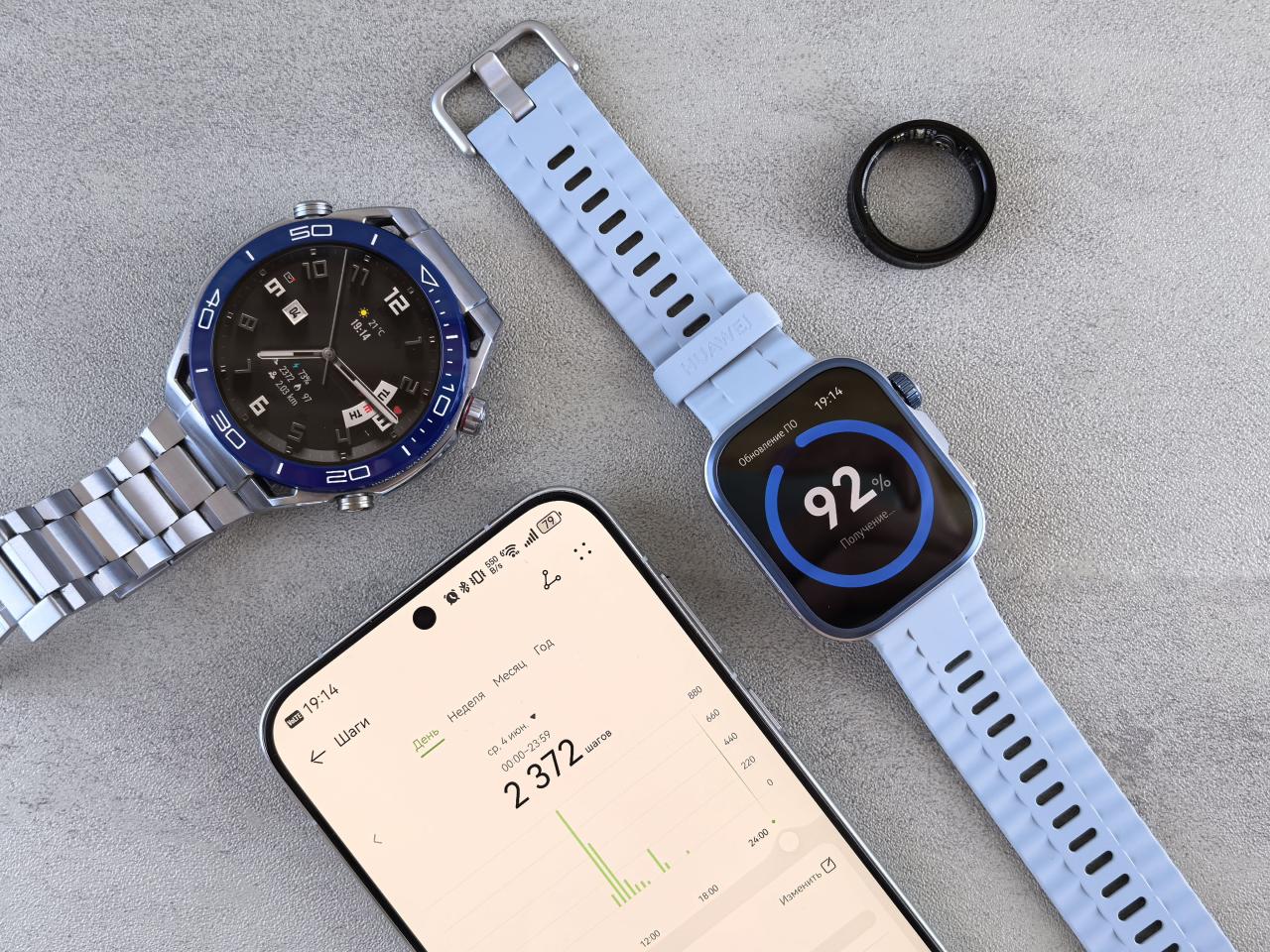
Investing in enterprise AI wearables health tracking ecosystem solutions represents a vital strategic move for modern clinical healthcare leaders. Automating continuous physiological monitoring eliminates diagnostic oversight risks, costly hospital readmissions, and reactive treatment liabilities across medical operations.
Every sensing and computational optimization within your digital health framework directly strengthens diagnostic accuracy and long-term facility asset value. Sustaining continuous commercial growth requires a resilient remote patient monitoring infrastructure capable of evaluating complex multi-modal physiological data rapidly without operational delays.
Advanced optical sensor arrays, edge-AI microcontrollers, and cloud telemetry software deliver the technical precision needed to lead in fast-growing digital health sectors. Securing total authority over custom biological tracking infrastructure is a decisive action for forward-thinking medical leadership teams.
As global healthcare markets demand continuous proactive monitoring and remote clinical care, maintaining full control over your AI wearable tracking systems becomes your primary operational asset. Your enterprise’s future clinical remote capacity and commercial profitability depend directly on the structural quality of the AI wearable tracking platforms you deploy today.