

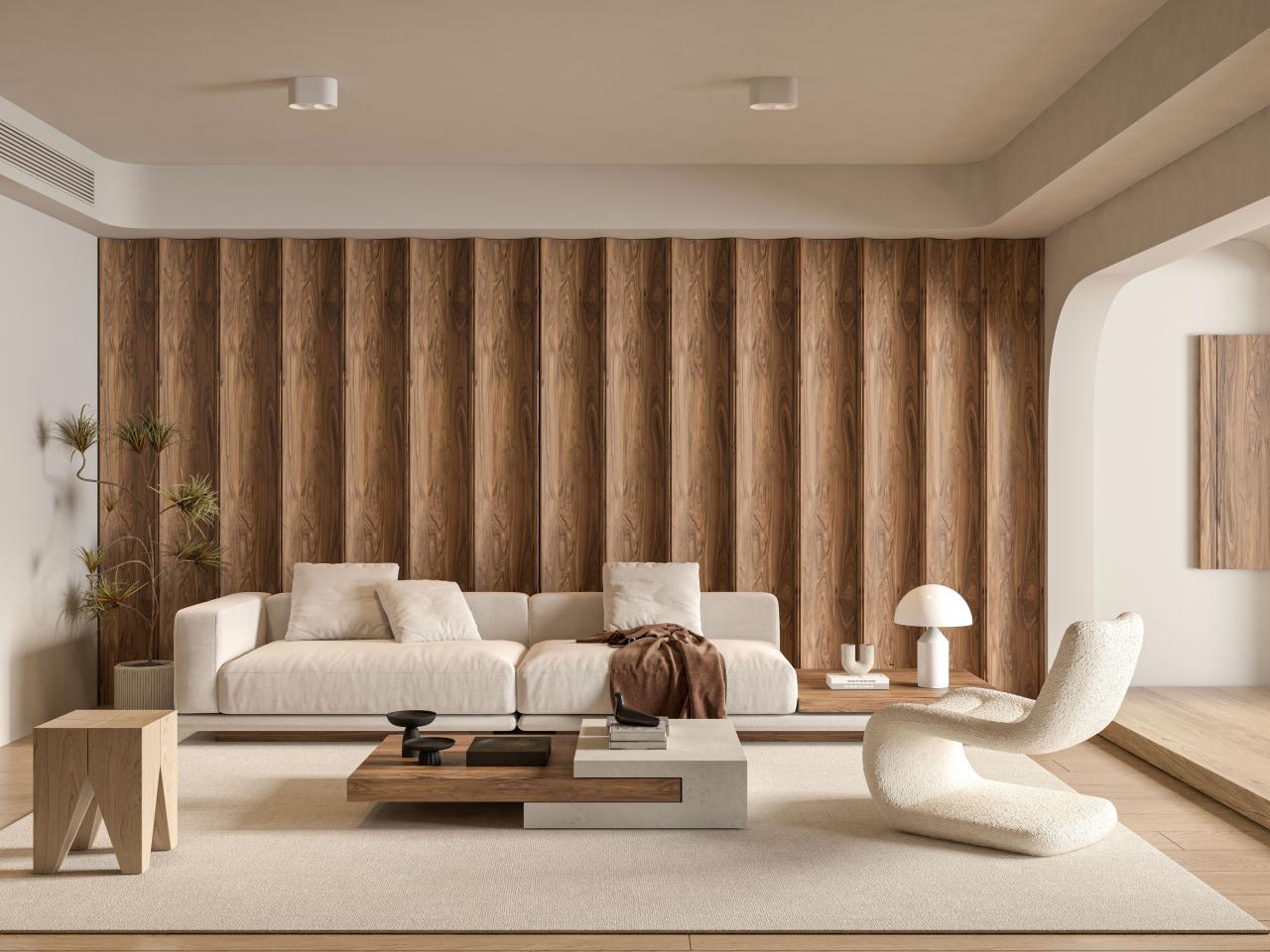
The global interior architecture market, luxury residential real estate infrastructure, and commercial property development ecosystem are currently undergoing a massive structural transformation toward enterprise Japandi mixed wood interior processing platforms, an innovative industrial framework that treats automated timber joinery machinery, high-tonnage veneer pressing systems, precision wood conditioning chambers, and continuous surface telemetry networks as top-tier strategic assets requiring the exact same financial discipline as an institutional investment portfolio.
Commercial design firms, luxury hospitality developers, enterprise property renovators, and architectural fit-out contractors are actively navigating an unprecedented evolution in Scandinavian and Japanese fusion aesthetics where single-species wood assemblies, cold synthetic laminates, volatile organic compound coatings, and legacy manual timber fitting workflows are no longer sufficient for managing modern architectural wellness standards and high-density commercial aesthetic demands, replaced instead by dynamic enterprise Japandi mixed wood manufacturing suites that leverage automated timber grading, natural oil impregnation, continuous veneer laminating, and digitized joinery precision monitoring to deliver highly resilient organic interior environments across global commercial networks.
This technological paradigm shift is driven by the strict operational reality that decorating high-end residential and commercial developments exclusively through outdated single-source timber supply chains introduces severe thermal expansion liabilities, escalating structural warping maintenance expenses, and unaddressed material contrast degradation risks, making legacy surface decoration models financially and operationally unsustainable for modern real estate enterprises.
Comprehensive architectural industry market analyses confirm that deploying enterprise Japandi mixed wood processing machinery into commercial decoration workflows dramatically lowers timber procurement overhead, accelerates project completion timelines, and enhances long-term property asset appraisals by replacing volatile synthetic laminates with fully automated, target-tailored mixed species joinery engines.
These sophisticated material processing platforms do not rely on basic hand saws or simple manual wood glues; rather, they process complex Nordic light pine, Japanese white oak, sustainably harvested teak, and rich dark walnut timbers through specialized automated thermal bonding and high-precision CNC joinery networks to guarantee that finished mixed wood wall panels, custom cabinetry, and architectural millwork achieve optimal dimensional stability, superior grain fastness, compliant commercial fire safety ratings, and high factory throughput rates.
For chief operating officers, real estate development directors, and interior technology venture capital partners, establishing a comprehensive mixed wood timber processing infrastructure represents an essential strategic imperative, unlocking an unprecedented level of material longevity, operational throughput, and capital investment returns that legacy decorating setups simply cannot deliver.
As the financial costs of synthetic chemical regulatory fines, frequent commercial re-decorating cycles, and structural wood remediation projects continue to compound across competitive property sectors, maintaining absolute authority over high-performance timber processing machinery and advanced automated surface technology has emerged as a primary benchmark for forward-thinking leadership focused on sustaining long-term operational resilience, product line quality compliance, and market dominance.
This detailed technical report evaluates the core functional modules, material processing architectures, and strategic deployment frameworks of top enterprise Japandi mixed wood interior architectural equipment, providing an actionable roadmap for any organization seeking to transform its interior development facilities into a high-performance, organic architectural design engine.
By incorporating these advanced multi-axis CNC routers, continuous timber conditioning chambers, and automated veneer presses into your manufacturing and renovation operations today, your organization effectively mitigates compliance risks, establishes strong market entry barriers, and secures a permanent competitive advantage across all global commercial and luxury residential real estate sectors.
Multi Axis Automated CNC Timber Joinery Machinery
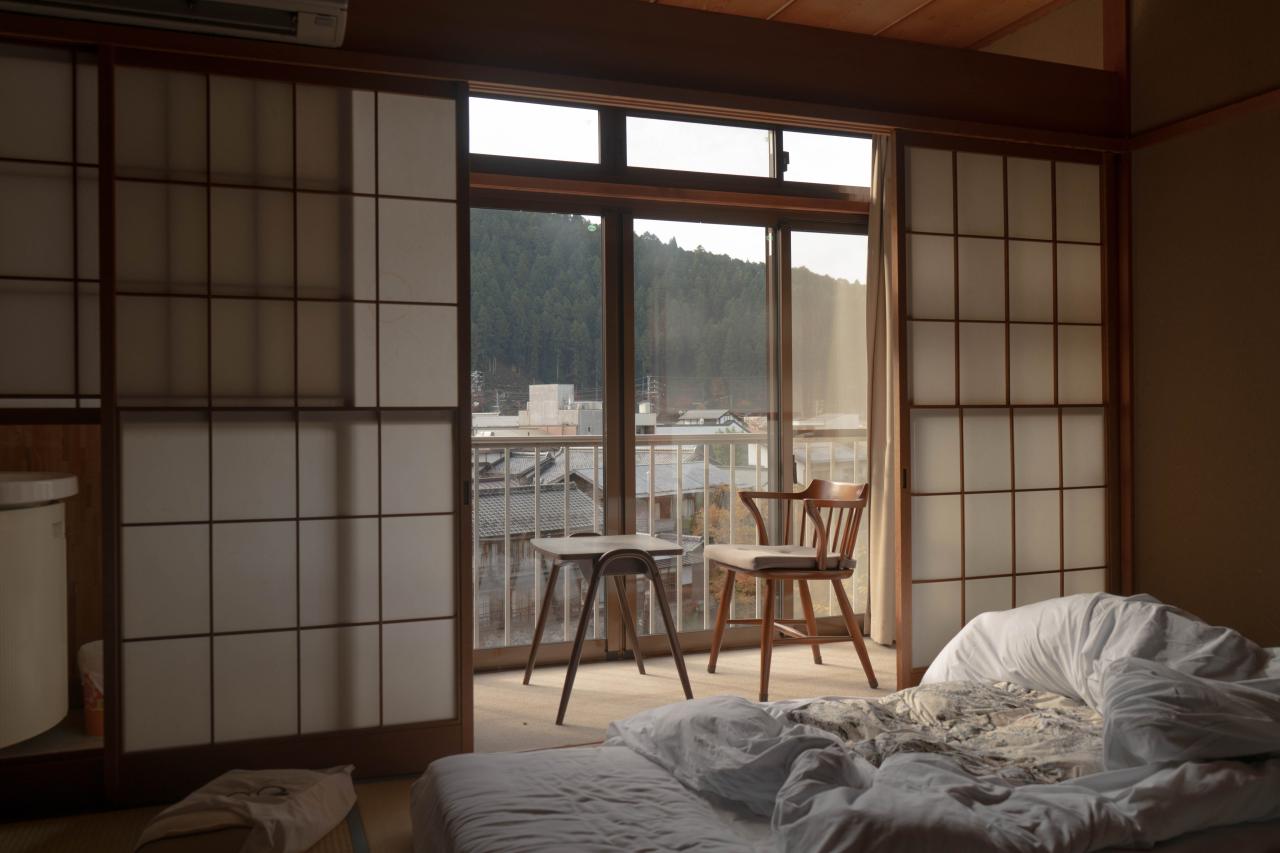
Modern Japandi interior production plants rely on multi-axis automated CNC timber joinery machinery to process contrasting wood species into seamless architectural elements. These advanced industrial woodworking centers execute complex Japanese mortise and tenon joints across Nordic softwoods and hardwoods with micron-level precision continuously.
A. Multi-spindle milling heads rotate across dynamic velocity profiles, shaping intricate Japanese wood joinery patterns into oak and walnut beams effortlessly. B. Automated optical grain alignment sensors scan raw timber boards continuously, aligning natural wood grain directions before executing heavy structural cuts. C. Vacuum-assisted workholding tables lock multi-species timber panels securely, preventing micro-vibrations and edge tear-outs during high-speed joinery milling operations.
Precision milling of mixed timber species under automated CNC parameters prevents structural joint loosening caused by varying moisture expansion rates. Real estate development firms produce striking Japandi wall screens and custom cabinetry that maintain structural integrity across diverse indoor climates.
Continuous High Pressure Architectural Veneer Press Systems
Manufacturing contrasting Japandi wall panels, acoustic ceiling baffles, and mixed wood doors relies on continuous high-pressure architectural veneer pressing platforms. Advanced hydraulic laminating machinery bonds thin light oak and dark walnut veneers onto stable composite cores under extreme thermal conditions.
A. Automated adhesive applicator rollers coat composite substrate boards evenly, dispensing zero-VOC moisture-resistant resin formulations continuously across wide panels. B. High-tonnage heated hydraulic platens compress multi-species veneer layers uniformly, curing structural adhesive bonds within seconds under high thermal pressure. C. Precision flying shear cutters trim continuous laminated wood panels with absolute accuracy, generating clean architectural edges ready for instant installation.
Laminating rich natural wood veneers onto engineered core materials eliminates solid timber warping while providing the luxurious tactile depth of mixed Scandinavian and Japanese woods. Property developers acquire lightweight, highly stable architectural panels that dramatic enhance commercial interior space evaluations.
Computerized Vacuum Moisture Conditioning Chambers
Achieving absolute dimensional stability across mixed wood assemblies requires computerized vacuum timber moisture conditioning chambers. Advanced kiln chambers equalize internal moisture contents between soft Nordic pine and dense Japanese oak, preventing post-installation wood movement completely.
A. High-vacuum suction pumps evacuate atmospheric air from sealed thermal chambers, accelerating internal wood sap evaporation without causing cellular collapse. B. Computerized steam injection nozzles introduce micro-fine moisture vapor dynamically, equalizing internal stress points across contrasting hardwood and softwood boards. C. Continuous wireless moisture telemetry sensors monitor core humidity levels continuously, stopping drying cycles precisely when target equilibrium is reached.
Equalizing internal moisture profiles across disparate wood species prevents surface checking, joint gapping, and board twisting in finished commercial installations. Facility managers maintain pristine interior architectural millwork that withstands fluctuating commercial HVAC humidity levels effortlessly.
Automated Precision Natural Wood Oil Impregnation Lines
Enhancing raw mixed wood grain contrast while maintaining a natural matte Scandinavian finish relies on automated precision wood oil impregnation processing lines. Advanced surface treatment systems force natural plant-based oils and hard-wax finishes deep into wood pores under pressure.
A. High-pressure spray manifold arrays coat moving timber boards with bio-based penetrating oils, achieving complete surface coverage without excess residue accumulation. B. Counter-rotating buffing brushes drive natural oil formulations deep into timber cellular structures, highlighting natural grain contrast between light and dark wood fibers. C. Continuous ultraviolet curing tunnels cure natural hard-wax finishes instantly, creating a durable protective barrier that retains a raw, un-varnished tactile feel.
Impregnating timber finishes deep into wood pores preserves the authentic, low-sheen minimalist aesthetic essential to authentic Japandi architectural design. Commercial interior suppliers produce stain-resistant, highly durable flooring and wall cladding that resist liquid spills and heavy foot wear.
Multi Rip Automated Laser Guided Sawing Stations
Processing raw timber logs and rough lumber into precise mixed wood slats relies on multi-rip automated laser-guided sawing machinery. Advanced industrial cutting centers evaluate natural timber defects and slice raw wood into uniform architectural strips with minimal kerf waste.
A. High-resolution laser scanning arrays map raw lumber contours and internal knot defects instantly, calculating optimal cutting patterns for maximum usable yield. B. Dynamic multi-blade gang saws adjust blade spacing on the fly, cutting varying slat widths required for complex Japandi wall baffle configurations. C. Automated pneumatic off-bearing systems sort sawn timber slats by color tone and grain density, streamlining downstream mixed wood assembly workflows.
Optimizing raw lumber cutting profiles through automated laser guidance lowers raw material procurement waste significantly across large-scale commercial fit-outs. Construction teams accelerate custom wall panel manufacturing while maintaining strict visual uniformity across thousands of linear feet.
Automated Computerized Edgebanding Platforms For Mixed Woods
Applying authentic solid wood edge bands onto composite mixed wood panels relies on high-speed computerized architectural edgebanding machinery. Advanced edge treatment systems melt high-strength polyurethane adhesives and apply thick timber edge strips under continuous pressure rolls.
A. High-frequency hot-melt glue applicators coat panel edges with waterproof polyurethane adhesives, creating invisible bond lines between composite panels and timber strips. B. Heavy-duty pressure roller groups press thick oak or walnut edge bands firmly against panel faces, ensuring total adhesive transfer and permanent structural bond. C. Precision end-trimming saws and diamond profiling cutters shape timber edge profiles smoothly, matching top veneer textures with flawless continuity.
Applying thick solid wood edge bands protects panel perimeters from impact damage while maintaining the convincing visual appearance of solid timber millwork. Architectural woodworkers deliver premium custom furniture and wall paneling that meet rigorous commercial durability standards.
Continuous Infrared Timber Surface Texturing Machinery
Creating subtle wire-brushed tactile surfaces across mixed wood wall panels relies on continuous infrared timber surface texturing platforms. Advanced mechanical distressing systems combine infrared heat softening with high-speed wire brushes to highlight natural wood grain structures gently.
A. High-intensity infrared heating elements soften top timber surface fibers temporarily, preparing wood structures for mechanical texturing without fiber fracturing. B. Counter-rotating steel and nylon wire brush drums scour soft springwood fibers away, leaving dense summerwood grain patterns prominently raised. C. Integrated vacuum dust extraction hoods remove fine wood particulates continuously, maintaining clean operational environments and pristine board surfaces.
Texturing timber surfaces mechanically enhances the wabi-sabi tactile quality inherent in Japandi design while concealing minor daily wear and commercial scratches. Property developers secure rich, tactile interior surfaces that age gracefully over extended commercial usage periods.
Computerized Robotic Assembly Cells For Architectural Screens
Assembling complex Japandi room dividers, Shoji-inspired timber screens, and lattice wall panels relies on multi-axis robotic assembly cells. Advanced industrial robots grip, glue, and pin interlocking mixed wood slats with absolute spatial accuracy and high repeatability.
A. Articulated robotic arms equipped with vacuum grippers pick pre-cut wood slats, placing them into complex geometric lattice configurations rapidly. B. Automated micro-dispensing heads apply high-strength wood adhesives at interlocking joint intersections precisely, eliminating messy glue squeeze-out. C. High-speed pneumatic pin nailers insert invisible micro-fasteners into timber joints, holding screen assemblies rigid during primary adhesive curing cycles.
Automating intricate lattice screen assembly eliminates labor-intensive hand fitting and reduces production bottlenecks across large commercial hospitality projects. Hotel developers install custom, light-diffusing spatial partitions that combine traditional craftsmanship aesthetics with modern structural reliability.
Inline Digital Twin Surface Color Telemetry Systems
Verifying grain harmony and color tone balance across mixed wood panel assemblies relies on inline digital twin surface color telemetry inspection systems. Advanced optical inspection platforms scan moving wood webs, comparing natural grain variations against digital architectural specifications instantly.
A. High-speed multispectral line-scan camera arrays capture high-resolution color and grain density metrics across manufactured wood surfaces continuously. B. Cloud-connected colorimetry software evaluates tone contrast ratios between light pine and dark walnut elements, flagging visual anomalies automatically. C. Automated robotic sorting arms divert non-compliant wood panels into re-sorting channels, ensuring perfect visual harmony across delivered panel sets.
Inspecting wood surface telemetry digitally eliminates subjective human grading errors and prevents costly on-site material rejections by interior architects. Quality control managers guarantee flawless mixed-wood grain matching across extensive commercial real estate projects.
Strategic Capital Allocation And Joinery Machinery ROI Modeling
Evaluating enterprise Japandi mixed wood processing machinery acquisitions through a structured corporate finance framework converts woodworking equipment upgrades into a high-yield capital investment strategy. Advanced financial modeling software projects capital expenditure payback timelines, material efficiency gains, and long-term asset value enhancements accurately.
A. Financial forecasting software calculates capital payback periods by modeling reduced timber waste, lower manual assembly labor, and higher property lease yields. B. Total cost of ownership tools analyze long-term CNC cutter wear, energy consumption, and preventive maintenance across multi-year operational cycles. C. Enterprise valuation modeling modules quantify proprietary automated joinery capacity and sustainable wood manufacturing patents, elevating firm appraisals for institutional investors.
Structuring automated timber processing investments through corporate finance modeling validates capital allocation requests to executive board members. Executive leadership establishes a highly profitable, scalable mixed wood interior material manufacturing footprint engineered for continuous commercial success.
Conclusion
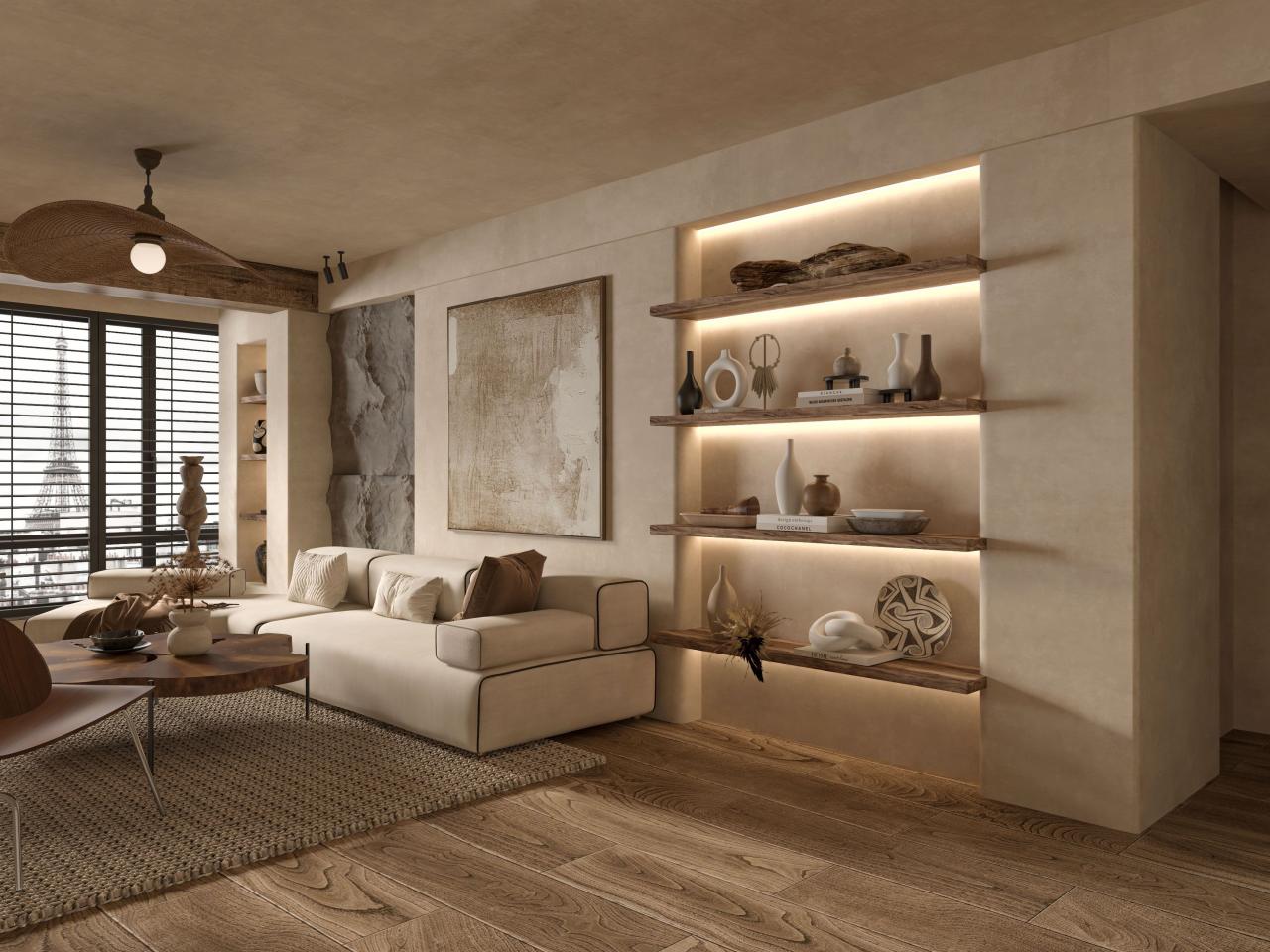
Investing in enterprise Japandi mixed wood architectural equipment represents a vital strategic move for modern property development and interior leadership teams. Automating organic timber processing eliminates material instability, frequent maintenance expenses, and structural warping risks across commercial operations.
Every mechanical and digital optimization within your woodworking processing framework directly strengthens factory throughput and long-term property asset value. Sustaining continuous commercial growth requires a resilient interior material manufacturing infrastructure capable of producing warm organic finishes rapidly without operational delays.
Advanced CNC joinery centers, high-pressure veneer presses, and robotic assembly cells deliver the technical precision needed to lead in fast-growing luxury and commercial interior sectors. Securing total authority over custom mixed wood interior material processing infrastructure is a decisive action for forward-thinking manufacturing leadership teams.
As global interior design markets demand sustainable organic aesthetics and healthy indoor environments, maintaining full control over your specialized material processing machinery becomes your primary operational asset. Your enterprise’s future interior production capacity and commercial profitability depend directly on the structural quality of the material processing platforms you deploy today.