

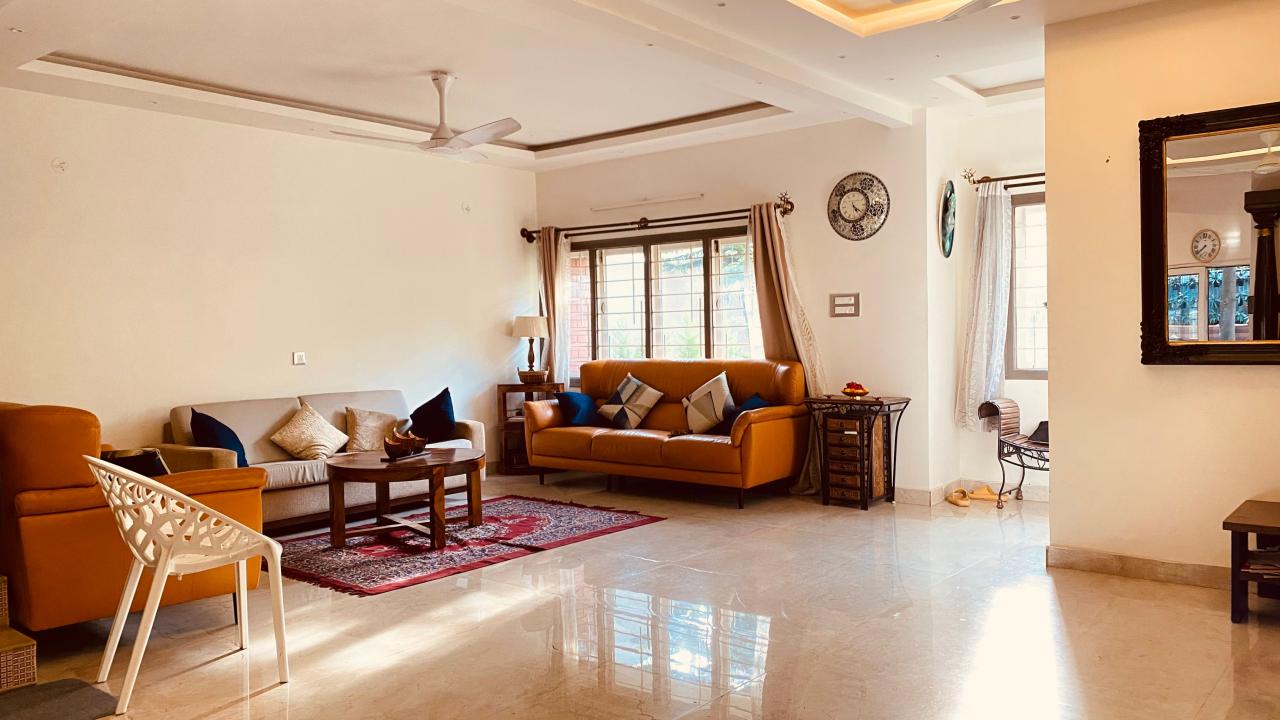
The global interior architecture market, luxury residential real estate infrastructure, and commercial property development ecosystem are currently undergoing a massive structural transformation toward enterprise earth tone interior decoration processing platforms, an innovative industrial framework that treats automated mineral pigment mixing stations, high-tonnage ceramic tile extrusion presses, precision textile dyeing machinery, and continuous surface telemetry networks as top-tier strategic assets requiring the exact same financial discipline as an institutional investment portfolio.
Commercial design firms, luxury hospitality developers, enterprise property renovators, and architectural fit-out contractors are actively navigating an unprecedented evolution in organic interior aesthetics where synthetic chemical paints, cold monochromatic palettes, volatile organic compound coatings, and legacy manual surface application workflows are no longer sufficient for managing modern architectural wellness standards and high-density commercial aesthetic demands, replaced instead by dynamic enterprise earth tone manufacturing suites that leverage automated pigment dispersion, natural clay wall render processing, continuous timber stain impregnation, and digitized color consistency monitoring to deliver highly resilient organic interior environments across global commercial networks.
This technological paradigm shift is driven by the strict operational reality that decorating high-end residential and commercial developments exclusively through outdated synthetic material supply chains introduces severe indoor air quality liabilities, escalating maintenance re-coating expenses, and unaddressed material degradation risks, making legacy surface decoration models financially and operationally unsustainable for modern real estate enterprises.
Comprehensive architectural industry market analyses confirm that deploying enterprise earth tone interior processing machinery into commercial decoration workflows dramatically lowers material procurement overhead, accelerates project completion timelines, and enhances long-term property asset appraisals by replacing volatile synthetic coatings with fully automated, target-tailored mineral pigment processing engines.
These sophisticated material processing platforms do not rely on basic hand mixers or simple manual paint rollers; rather, they process complex natural clay minerals, terracotta silicates, organic linen textiles, and sustainably harvested timber through specialized automated thermal bonding and high-shear dispersion networks to guarantee that finished warm earth tone surfaces, wall coverings, and textile finishes achieve optimal structural adhesion, superior light fastness, compliant commercial fire safety ratings, and high factory throughput rates.
For chief operating officers, real estate development directors, and interior technology venture capital partners, establishing a comprehensive earth tone material processing infrastructure represents an essential strategic imperative, unlocking an unprecedented level of material longevity, operational throughput, and capital investment returns that legacy decorating setups simply cannot deliver. As the financial costs of synthetic chemical regulatory fines, frequent commercial re-decorating cycles, and VOC remediation projects continue to compound across competitive property sectors, maintaining absolute authority over high-performance mineral coating machinery and advanced automated surface technology has emerged as a primary benchmark for forward-thinking leadership focused on sustaining long-term operational resilience, product line quality compliance, and market dominance.
This detailed technical report evaluates the core functional modules, material processing architectures, and strategic deployment frameworks of top enterprise earth tone interior decoration architecture equipment, providing an actionable roadmap for any organization seeking to transform its interior development facilities into a high-performance, organic architectural design engine. By incorporating these advanced high-shear pigment mixers, continuous ceramic extrusion presses, and automated textile dyeing vats into your manufacturing and renovation operations today, your organization effectively mitigates compliance risks, establishes strong market entry barriers, and secures a permanent competitive advantage across all global commercial and luxury residential real estate sectors.
High Shear Computerized Mineral Pigment Dispersion Mixers
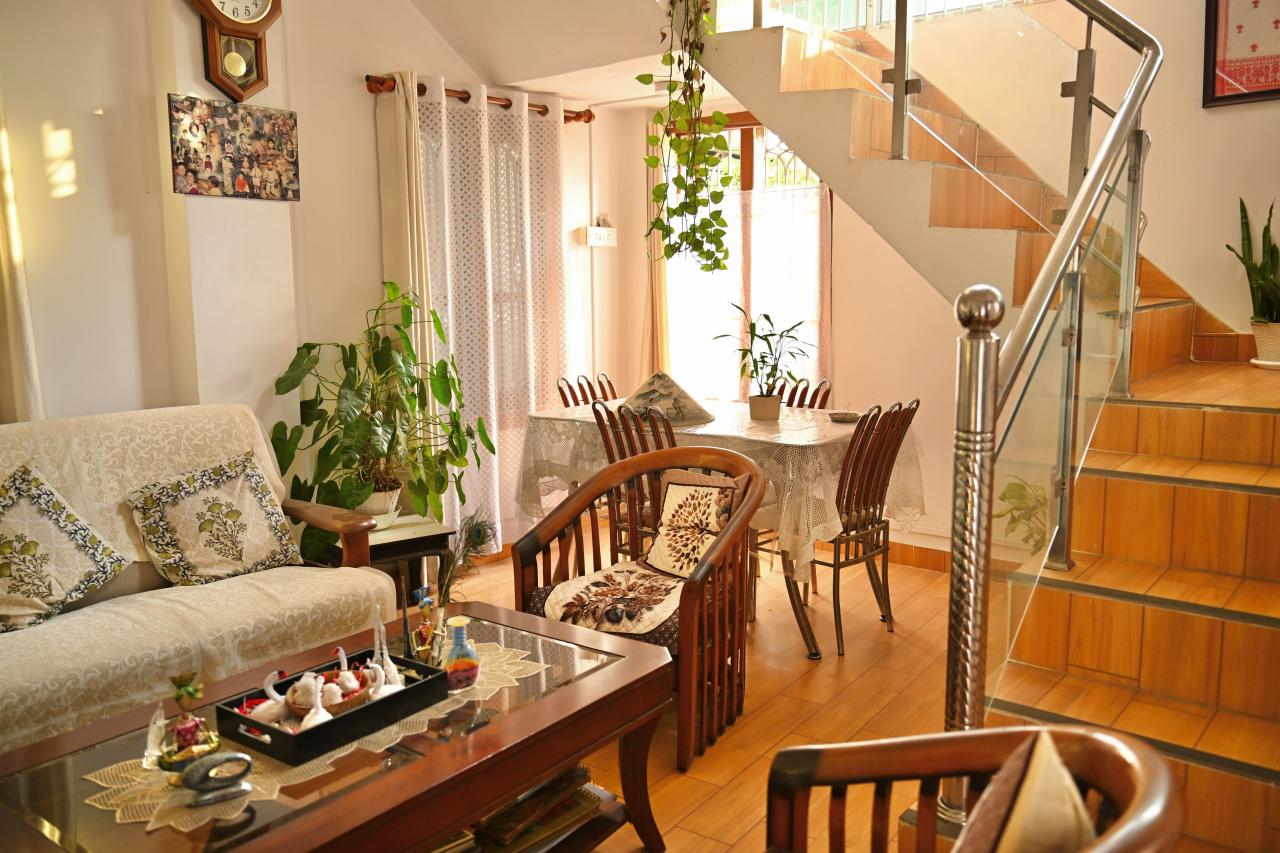
Modern enterprise decoration plants rely on high-shear computerized mineral pigment mixers to process natural clay minerals, ochre oxides, and terracotta silicates into warm earth tone wall renders. These advanced industrial liquid blenders generate extreme shear forces, breaking down raw mineral agglomerates to create uniform, ultra-smooth architectural slurry formulations continuously.
A. High-speed disperser impellers rotate across variable velocity profiles, shattering dense mineral lumps and distributing natural ochre pigments evenly through liquid binders. B. Automated gravimetric powder dosing hoppers meter raw terracotta and iron oxide pigments continuously, maintaining sub-gram color formulation precision across massive production batches. C. Vacuum-assisted mixing chambers evacuate entrained air bubbles during processing, preventing pinhole defects and surface void formations in finished earth tone wall coatings.
Processing natural earth minerals under precise shear parameters ensures absolute batch-to-batch color consistency across extensive commercial interior projects. Real estate development firms produce rich, warm terracotta and sand-toned wall renders that resist fading under continuous interior lighting.
Continuous High Tonnage Terracotta Ceramic Extrusion Presses
Manufacturing warm-toned terracotta wall cladding tiles, terracotta facade panels, and earthy floor tiles relies on high-tonnage continuous ceramic vacuum extrusion machinery. Advanced hydraulic extrusion platforms compress natural clay compounds, forcing dense clay bodies through specialized architectural die profiles smoothly.
A. High-vacuum de-airing chambers remove trapped atmospheric gases from wet clay stocks, eliminating internal structural voids before high-pressure die extrusion. B. Servo-driven hydraulic extrusion rams push dense clay ribbons through interchangeable ceramic dies, producing uniform architectural tile geometries continuously. C. Precision high-speed wire cutters shear moving clay extrusions with sub-millimeter accuracy, generating clean tile edges that require minimal post-firing finishing.
Extruding dense clay bodies under vacuum pressure produces high-density ceramic tiles capable of absorbing heavy foot traffic in luxury hotel lobbies and commercial spaces. Property developers secure durable, earthy floor and wall surfaces that display rich natural warmth while providing extreme abrasion resistance.
Automated Precision Mineral Paint Tinting Systems
Delivering custom warm beige, muted taupe, and deep terracotta architectural wall paints without chemical dyes requires automated precision mineral paint dispensing platforms. Advanced tinting platforms inject liquid natural oxide dispersions into zero-VOC mineral silicate base paints continuously, matching complex spatial color profiles.
A. High-precision micro-metering pumps dispense concentrated natural oxide slurries, achieving exact color repeatability across thousands of paint canisters. B. Automated multi-axis gyroscopic shakers spin sealed paint containers vigorously, achieving total pigment integration without introducing unwanted aeration. C. Integrated spectrophotometer sensors verify color accuracy against target architectural color databases, flagging subtle tint variations automatically before shipment.
Formulating paints exclusively with natural mineral silicates and earth oxides creates breathable, non-toxic wall finishes that bond chemically with concrete substrate structures. Facility managers maintain pristine interior air quality while enjoying rich, warm earth tone surfaces that resist peeling and blistering.
Continuous Waterless Textile Dyeing Autoclaves
Applying rich warm earth tones to organic linen upholstery, hemp drapery, and wool carpets relies on closed-loop supercritical fluid textile dyeing machinery. Advanced waterless dyeing systems utilize pressurized carbon dioxide to diffuse natural earth-tone dyes deep into textile fibers, eliminating industrial water consumption entirely.
A. High-pressure stainless steel dye chambers heat carbon dioxide to supercritical states, creating a high-density fluid solvent for natural colorants. B. Precision dye injection systems introduce bio-based earth pigments into the supercritical fluid stream, achieving deep fiber penetration rapidly. C. Automated solvent recovery loops capture and depressurize used carbon dioxide, recycling the gas completely for subsequent industrial dyeing runs.
Dyeing interior textiles without liquid water eliminates chemical wastewater treatment overhead and hazardous environmental runoff completely. Commercial textile converters generate luxurious, earth-toned upholstery and drapery collections that satisfy strict international sustainability compliance certifications.
Automated Computerized Timber Stain Impregnation Lines
Enhancing raw hardwood flooring, timber wall paneling, and architectural millwork with warm walnut and oak tones requires automated vacuum-pressure stain impregnation lines. Advanced timber processing suites force natural earth-pigmented oils deep into wood pores under pressure, locking in rich organic tones permanently.
A. High-vacuum timber treatment cylinders evacuate air from wood cell structures, preparing interior pores for maximum liquid stain absorption. B. High-pressure liquid injection pumps force earth-toned oil finishes deep into wood grain matrices, achieving deep color penetration across thick timber boards. C. Continuous infrared drying tunnels cure natural drying oils rapidly, locking warm wood tones in place while leaving protective surface barriers intact.
Deep timber stain impregnation prevents surface color wear and scratches from exposing raw wood beneath in high-traffic commercial environments. Contract interior firms manufacture rich, warm wooden architectural elements that maintain their luxurious appearance through years of commercial usage.
Multi Axis Automated Natural Stone Veneer Sawing Equipment
Processing raw slate, warm sandstone, and travertines into lightweight architectural stone veneers relies on multi-axis diamond wire sawing machinery. Advanced automated stone cutting platforms slice massive natural stone blocks into ultra-thin veneer sheets with minimal material kerf waste.
A. Continuous diamond-wire cutting loops slice through raw stone blocks smoothly, maintaining precise thickness tolerances across large stone face dimensions. B. Automated laser alignment sensors monitor wire tension and cutting trajectory continuously, preventing stone sheet bowing and thickness variations. C. Automated resin back-ingestion systems apply fiberglass mesh backings to thin stone slabs, providing high flexural strength for easy wall panel installation.
Producing thin natural stone veneers allows luxury property developers to incorporate rich, warm stone textures into interior walls without adding structural dead-load weight. Interior construction teams accelerate stone installation while lowering raw material transportation costs significantly.
Automated Computerized Loom Weaving Systems For Earthy Textiles
Manufacturing custom-textured jacquard upholstery, warm wool area rugs, and natural fiber wall coverings relies on high-speed computerized loom machinery. Advanced automated weaving platforms manipulate natural jute, wool, and linen yarns continuously, weaving complex multi-tonal earth pattern designs.
A. High-speed electronic jacquard heads control individual warp threads independently, creating intricate textured patterns and subtle color gradations smoothly. B. Automated tension-sensing shuttles insert earthy weft yarns continuously, maintaining uniform fabric density and tensile strength across wide loom widths. C. Real-time optical fabric inspection cameras detect broken threads or weave defects instantly, pausing machinery to maintain flawless textile production output.
Weaving natural fibers into multi-dimensional earth tone textiles creates rich tactile surfaces that enhance spatial acoustics and visual warmth in luxury interiors. Textile mills produce durable contract-grade upholstery fabrics that withstand rigorous commercial wear testing standards.
High Temperature Tunnel Kilns For Architectural Ceramics
Firing terracotta tiles, brick veneers, and ceramic wall features in consistent warm earth tones requires continuous automated tunnel kilns. Advanced high-temperature kilns transport ceramic items through precise thermal zones, firing raw clay bodies under controlled atmospheric conditions.
A. Multi-zone gas burner arrays regulate kiln internal temperatures along precise firing curves, ensuring complete clay vitrification without thermal shock cracking. B. Automated atmospheric oxygen controllers manage kiln oxidation levels continuously, developing rich, varied terracotta and ochre color shades naturally. C. Continuous roller hearth conveyors transport ceramic tiles through firing zones smoothly, preventing tile warping during high-temperature baking cycles.
Controlling firing atmospheres precise enables ceramic manufacturers to generate predictable, warm earth tone color variations across high-volume production batches. Commercial ceramic suppliers deliver beautiful, fireproof architectural clay elements that meet stringent commercial building codes.
Digital Twin Surface Color Telemetry Inspection Systems
Verifying strict color consistency and texture uniformity across warm earth tone wall panels, tiles, and textiles relies on inline digital twin 3D colorimetry inspection systems. Advanced optical inspection platforms scan moving material webs, comparing physical color values against digital CAD specifications instantly.
A. Multi-spectral line-scan camera arrays record full-spectrum color reflectance metrics across manufactured surface sheets continuously. B. Cloud-connected colorimetry software calculates color deviation metrics instantly, flagging off-shade paint batches or tile runs automatically. C. Automated robotic sorting arms divert non-compliant material units into re-processing lines, ensuring only flawless products reach commercial packing bays.
Inspecting surface color metrics digitally eliminates human visual inspection errors and prevents costly on-site installation rework for commercial projects. Quality control directors guarantee absolute color matching across diverse architectural material batches.
Strategic Capital Allocation And Interior Machinery ROI Modeling
Evaluating enterprise earth tone material processing hardware acquisitions through a structured corporate finance framework converts interior equipment upgrades into a high-yield capital investment strategy. Advanced financial modeling software projects capital expenditure payback timelines, material savings, and regulatory tax credits accurately.
A. Financial forecasting software calculates capital payback periods by modeling reduced synthetic paint costs, faster installation speeds, and higher property appraisals. B. Total cost of ownership tools analyze long-term kiln fuel draw, pigment mixer maintenance, and tool wear across multi-year operational cycles. C. Enterprise valuation modeling modules quantify proprietary sustainable material processing capacity and natural coating patents, elevating overall firm appraisals for institutional investors.
Structuring automated interior material processing investments through corporate finance modeling validates capital allocation requests to executive board members. Executive leadership establishes a highly profitable, scalable earth tone interior material manufacturing footprint engineered for continuous commercial success.
Conclusion
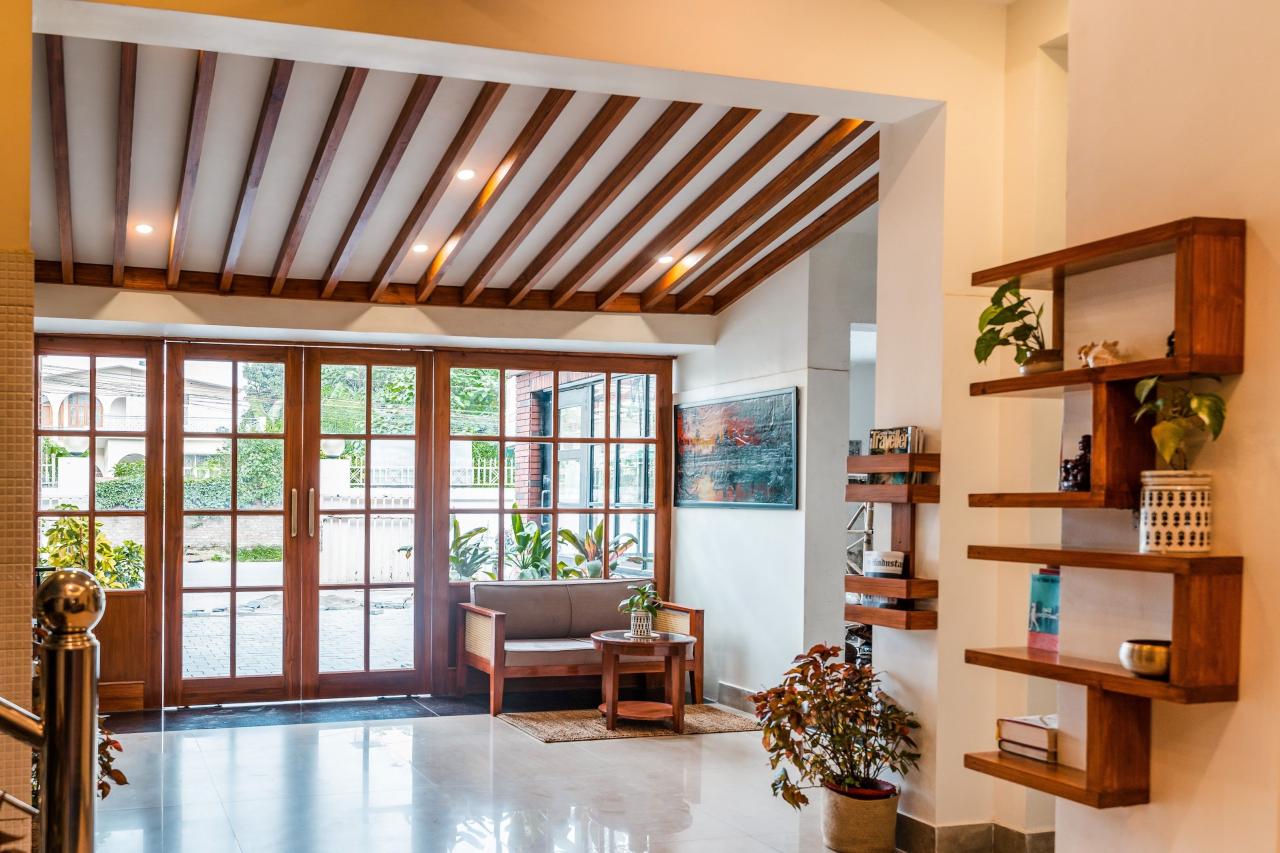
Investing in enterprise earth tone interior decoration architecture equipment represents a vital strategic move for modern property development and interior leadership teams. Automating organic material processing eliminates synthetic chemical liabilities, frequent re-decorating expenses, and material degradation risks across commercial operations.
Every mechanical and digital optimization within your decoration processing framework directly strengthens factory throughput and long-term property asset value. Sustaining continuous commercial growth requires a resilient interior material manufacturing infrastructure capable of producing warm organic finishes rapidly without operational delays.
Advanced pigment mixers, ceramic extrusion presses, and waterless dyeing autoclaves deliver the technical precision needed to lead in fast-growing luxury and commercial interior sectors. Securing total authority over custom earth tone interior material processing infrastructure is a decisive action for forward-thinking manufacturing leadership teams.
As global interior design markets demand sustainable organic aesthetics and healthy indoor environments, maintaining full control over your specialized material processing machinery becomes your primary operational asset. Your enterprise’s future interior production capacity and commercial profitability depend directly on the structural quality of the material processing platforms you deploy today.