

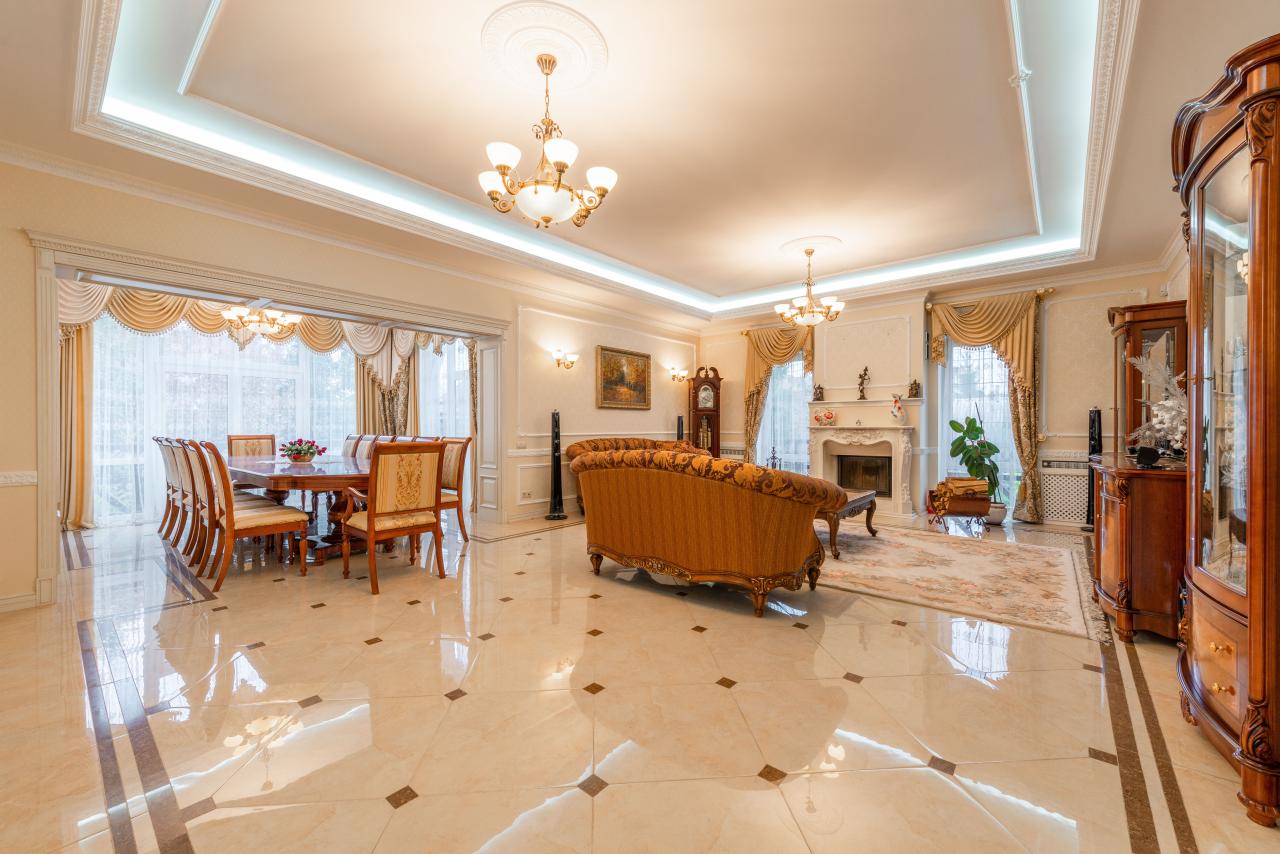
The global interior architecture market, luxury residential real estate infrastructure, and commercial property development ecosystem are currently undergoing a massive structural transformation toward enterprise luxury living layered lighting equipment platforms, an innovative industrial framework that treats automated luminaire fabrication units, high-precision optical lens molding presses, computerized LED spectrum tuning controllers, and continuous surface telemetry networks as top-tier strategic assets requiring the exact same financial discipline as an institutional investment portfolio.
Commercial design firms, luxury hospitality developers, enterprise property renovators, and architectural fit-out contractors are actively navigating an unprecedented evolution in modern spatial illumination where single-source static luminaires, harsh monochromatic fixtures, high-glare bulbs, and legacy manual wiring workflows are no longer sufficient for managing modern architectural wellness standards and high-density commercial aesthetic demands, replaced instead by dynamic enterprise architectural lighting manufacturing suites that leverage automated driver assembly, continuous color rendering index verification, precision optical beam shaping, and digitized spatial illumination testing to deliver highly resilient adaptable interior environments across global commercial networks.
This technological paradigm shift is driven by the strict operational reality that illuminating high-end residential and commercial developments exclusively through outdated single-layer lighting supply chains introduces severe thermal dissipation liabilities, escalating power consumption expenses, and unaddressed lumen depreciation risks, making legacy surface decoration models financially and operationally unsustainable for modern real estate enterprises.
Comprehensive architectural industry market analyses confirm that deploying enterprise layered lighting processing machinery into commercial decoration workflows dramatically lowers electrical installation overhead, accelerates project completion timelines, and enhances long-term property asset appraisals by replacing static light fixtures with fully automated, target-tailored ambient, task, accent, and decorative illumination engines.
These sophisticated material processing platforms do not rely on basic hand wire strippers or simple manual soldering irons; rather, they process complex high-purity optical grade acrylics, extruded architectural aluminum housings, solid brass fixtures, and advanced solid-state LED arrays through specialized automated thermal bonding and high-precision robotic assembly networks to guarantee that finished architectural linear coves, motorized recessed spotlights, and intelligent dimming driver modules achieve optimal photometric distribution, superior color consistency, compliant commercial safety ratings, and high factory throughput rates.
For chief operating officers, real estate development directors, and interior technology venture capital partners, establishing a comprehensive architectural lighting processing infrastructure represents an essential strategic imperative, unlocking an unprecedented level of spatial longevity, operational throughput, and capital investment returns that legacy decorating setups simply cannot deliver. As the financial costs of energy efficiency regulatory fines, frequent commercial re-lamping cycles, and electrical infrastructure remediation projects continue to compound across competitive property sectors, maintaining absolute authority over high-performance lighting manufacturing machinery and advanced automated surface technology has emerged as a primary benchmark for forward-thinking leadership focused on sustaining long-term operational resilience, product line quality compliance, and market dominance.
This detailed technical report evaluates the core functional modules, material processing architectures, and strategic deployment frameworks of top enterprise luxury living layered lighting equipment, providing an actionable roadmap for any organization seeking to transform its interior development facilities into a high-performance, adaptable architectural design engine.
By incorporating these advanced multi-axis CNC housing cutters, continuous surface-mount LED placement robots, and automated optical spectroradiometer testing platforms into your manufacturing and renovation operations today, your organization effectively mitigates compliance risks, establishes strong market entry barriers, and secures a permanent competitive advantage across all global commercial and luxury residential real estate sectors.
Multi Axis Automated CNC Architectural Luminaire Housing Machinery
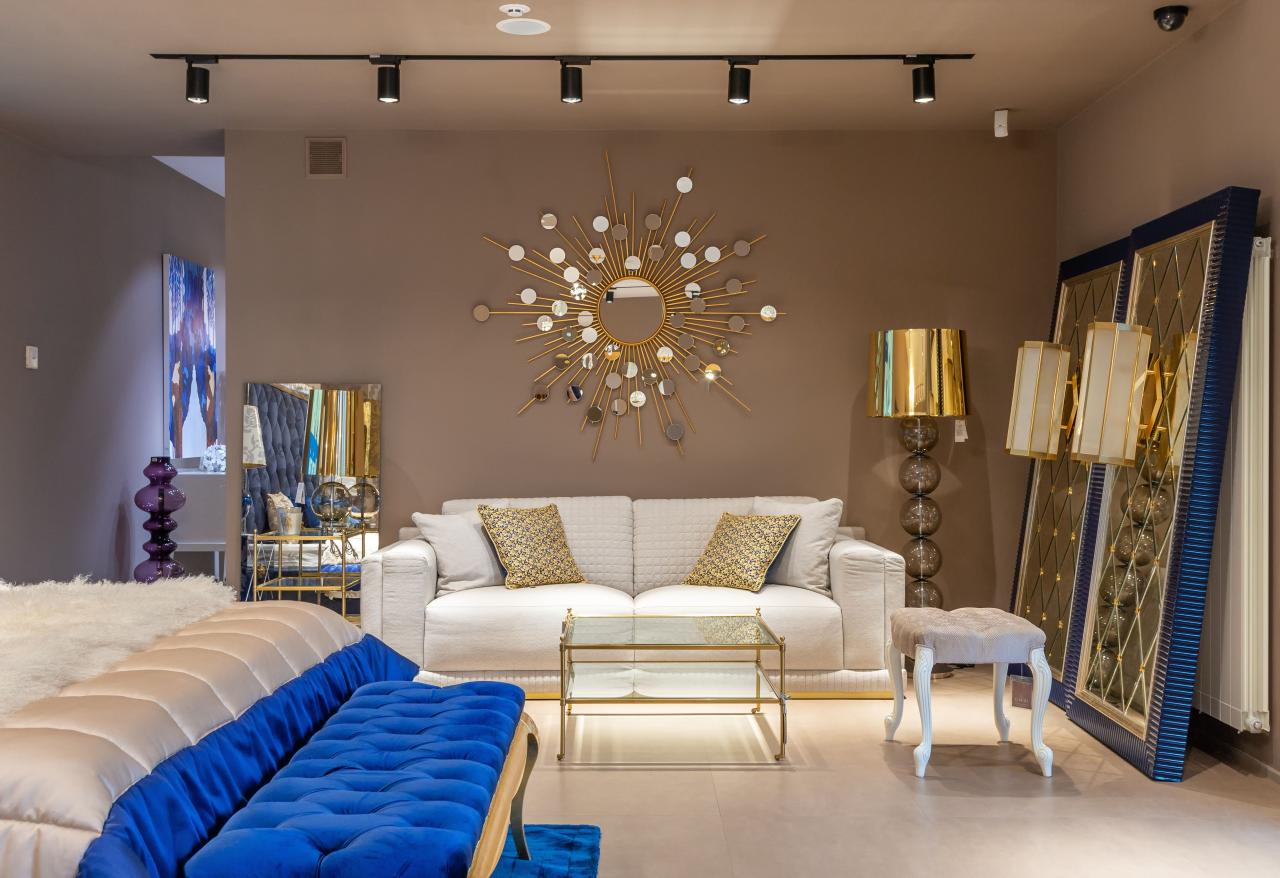
Modern layered lighting manufacturing facilities rely on multi-axis automated CNC luminaire housing machinery to process heavy-duty extruded aluminum and solid brass profiles into architectural light fixtures. These advanced industrial metal shaping centers execute intricate thermal heat-sink channels and micro-aperture optic housings across raw metal extrusions with sub-millimeter precision continuously.
A. Multi-spindle milling heads rotate across dynamic velocity profiles, shaping complex thermal dissipation fins into architectural aluminum luminaire tracks effortlessly. B. Automated laser alignment sensors scan raw metal extrusions continuously, maintaining absolute dimensional accuracy across long linear fixture profiles. C. Vacuum-assisted clamping fixtures lock heavy brass and aluminum housings securely, preventing micro-vibrations and surface scratches during high-speed milling operations.
Precision milling of luminaire heat sinks under automated CNC parameters prevents thermal throttling and LED diode degradation in continuous commercial operation. Real estate development firms supply luxury residential towers and commercial spaces with architectural recessed linear channels that maintain superior thermal performance for extended operational lifespans.
Continuous High Surface Mount LED Array Assembly Placement Lines
Manufacturing high-CRI linear light strips, cove modules, and architectural accent fixtures relies on continuous high-speed surface mount technology LED placement platforms. Advanced robotic pick-and-place systems position micro-scale LED diodes, current-limiting resistors, and thermal interface pads onto flexible printed circuit boards with microscopic accuracy.
A. High-speed optical alignment cameras inspect solder paste deposits on flexible circuit webs, ensuring flawless electrical conductivity before diode placement. B. Precision robotic placement heads mount thousands of color-calibrated LED diodes per hour, maintaining exact spatial pitches for uniform light output. C. Multi-zone convection reflow ovens melt solder alloys under nitrogen-purated atmospheres, creating permanent mechanical and electrical component bonds.
Populating architectural circuit boards under automated surface mount parameters ensures absolute color consistency and eliminates visible hot-spotting across long ambient light coves. Property developers acquire seamless linear illumination systems capable of elevating spatial depth in high-end commercial interiors.
Computerized Optical Grade Acrylic Lens Injection Molding Presses
Achieving precise glare-free beam angles and soft light diffusion across layered lighting schemes requires computerized high-tonnage optical acrylic injection molding presses. Advanced polymer processing platforms inject ultra-pure polymethyl methacrylate resins into mirror-polished steel molds, creating micro-prismatic optical lenses, wall-washer reflectors, and narrow spotlight collimators.
A. Multi-stage hydraulic injection units melt optical grade acrylic pellets under strict temperature controls, preventing polymer yellowing and internal stress fracturing. B. High-tonnage mold clamping platens compress liquid optical resin uniformly, forming complex micro-prismatic surface patterns with extreme fidelity. C. Automated robotic extraction arms remove cured optical lenses gently, transferring them directly to cleanroom cooling chambers to prevent airborne dust contamination.
Molding optical lenses under pristine manufacturing environments ensures maximum light transmission efficiency and precise beam distribution without color chromatic aberration. Facility managers rapidly configure architectural wall-washing and accent spotlights to highlight high-value artwork and interior architectural features effortlessly.
Automated Precision Multi Channel Spectroradiometer Quality Testing Rigs
Verifying color rendering fidelity, correlated color temperature consistency, and spectral power distribution across ambient and accent luminaires relies on automated precision multi-channel spectroradiometer testing rigs. Advanced optical testing chambers scan moving luminaire assemblies, comparing spectral output metrics against digital architectural lighting specifications continuously.
A. High-resolution integrating spheres capture full-spectrum luminous flux and radiant power output from powered architectural luminaires automatically. B. Multi-channel spectroradiometer sensors measure color rendering indexes across specialized color samples, ensuring precise color reproduction across warm ambient tones. C. Cloud-connected colorimetry software evaluates chromaticity coordinates, flagging subtle diode binning variations before final luminaire packaging.
Testing fixture spectral output under automated optical environments eliminates visual color mismatches between adjacent architectural light fixtures on construction sites. Quality control directors guarantee flawless color uniformity across massive commercial real estate lighting installations.
Automated Multi Axis Brass Fixture Surface Polishing Systems
Applying mirror-finish or brushed satin textures onto luxury decorative pendants, sconces, and accent brass trim relies on automated multi-axis robotic surface polishing lines. Advanced mechanical finishing cells manipulate heavy solid brass components against abrasive wheels and polishing compounds continuously.
A. Articulated robotic arms move complex decorative brass fixture bodies through multi-stage grinding wheels, removing raw casting lines and surface imperfections. B. Automated compound dispensing pumps apply liquid polishing pastes continuously, achieving ultra-smooth mirror finishes without generating excessive friction heat. C. High-velocity air knives blast remaining polishing residues off finished brass surfaces, preparing raw metal parts for clear protective ceramic coating application.
Polishing decorative brass fixtures under automated robotic parameters ensures consistent metallic brilliance across large-scale commercial lighting orders. Contract interior suppliers deliver exquisite decorative lighting elements that maintain pristine visual appeal in high-use luxury hospitality venues.
Continuous Electrophoretic Clear Ceramic Coating Lines For Metal Trim
Protecting polished brass, copper, and anodized aluminum light trim against oxidation, tarnishing, and fingerprint staining relies on continuous electrophoretic ceramic coating lines. Advanced electrochemical dipping tanks deposit ultra-thin clear ceramic films onto charged metal fixture parts before thermal baking.
A. Multi-stage ultrasonic cleaning baths remove microscopic oils and polishing compounds from metal surfaces, ensuring complete ceramic film adhesion. B. Electrophoretic bath tanks apply precise electrical potentials across submerged fixture trim, depositing uniform nanometer-thin ceramic protective coatings. C. Continuous infrared curing ovens cross-link ceramic polymer films at high temperatures, forming an invisible, scratch-resistant surface shield.
Coating metal luminaire trim with clear electrophoretic ceramic layers prevents tarnishing and corrosion caused by atmospheric humidity and human skin oils. Property developers secure durable, luxurious decorative lighting accents that retain their original metallic lustre through years of commercial operation.
Computerized Intelligent Dimming Driver Fabrication Assembly Platforms
Constructing high-efficiency, flicker-free intelligent dimming drivers capable of continuous deep-dimming performance relies on computerized driver fabrication assembly platforms. Advanced electronics assembly lines populate, solder, and pot heavy-duty power supplies, microcontrollers, and wireless mesh communication modules into compact metal enclosures.
A. Automated component insertion heads mount power transformers, filter capacitors, and power transistors onto thick FR-4 glass-epoxy circuit boards. B. Selective wave soldering machines join heavy-power component leads with lead-free solder alloys, creating robust electrical connections under thermal stress. C. Automated vacuum potting dispenser units fill driver enclosures with thermally conductive silicone compounds, protecting internal circuitry from moisture and heat build-up.
Fabricating intelligent dimming drivers under strict automated parameters ensures smooth, continuous zero-to-one-hundred percent dimming without audible electrical hum or visible light flicker. Facility managers integrate automated lighting control systems seamlessly, enabling dynamic circadian rhythm lighting schedules across commercial properties.
Automated Robotic Assembly Cells For Motorized Recessed Spotlights
Assembling smart motorized architectural spotlights, dynamic tilt-and-rotate downlights, and concealed ceiling track modules relies on multi-axis robotic assembly cells. Advanced industrial robots handle, screw, align, and test micro-stepper motors, optical lenses, and fixture housings with absolute spatial precision.
A. Articulated robotic arms equipped with precision vacuum grippers insert tiny stepper motor gearboxes into compact aluminum spotlight housings rapidly. B. Computerized torque-controlled screwdrivers drive stainless steel fasteners to exact mechanical tension specs, preventing housing thread stripping. C. Integrated optical encoders verify 360-degree rotation and 45-degree tilt movement ranges, calibrating motorized beam aiming positions automatically.
Automating motorized spotlight assembly eliminates mechanical alignment errors and accelerates production output for large-scale luxury residential developments. Real estate renovators install sleek, concealed ceiling spotlights that adjust beam directions remotely via dynamic smartphone applications or central lighting control consoles.
Inline Digital Twin Photometric Beam Profiling Systems
Verifying beam angle dispersion, field angle uniformity, and stray light glare cutoff across specialized task and accent luminaires relies on inline digital twin photometric beam profiling systems. Advanced optical sensor arrays evaluate dynamic beam distributions in real-time during factory end-of-line testing.
A. Multi-axis goniophotometer sensors swing around powered fixtures, measuring luminous intensity distribution curves across all spatial angles continuously. B. High-resolution CCD beam profiling cameras capture near-field glare metrics, verifying dark-light reflector cutoff angles to guarantee low glare indices. C. Automated diagnostic software generates standard photometric data files instantly, embedding accurate spatial light distribution data into digital BIM assets.
Profiling luminaire beam distribution digitally eliminates field lighting performance discrepancies and prevents costly fixture repositioning during commercial commissioning. Lighting designers and architectural engineers guarantee optimal illumination coverage across complex interior spaces.
Strategic Capital Allocation And Lighting Machinery ROI Modeling
Evaluating enterprise luxury living layered lighting equipment acquisitions through a structured corporate finance framework converts lighting manufacturing upgrades into a high-yield capital investment strategy. Advanced financial modeling software projects capital expenditure payback timelines, material efficiency gains, and long-term asset value enhancements accurately.
A. Financial forecasting software calculates capital payback periods by modeling reduced electrical installation labor, lower energy draw, and higher property lease yields. B. Total cost of ownership tools analyze long-term CNC cutter wear, SMT nozzle maintenance, and reflow oven power consumption across multi-year operational cycles. C. Enterprise valuation modeling modules quantify proprietary automated lighting manufacturing capacity and intelligent luminaire patents, elevating firm appraisals for institutional investors.
Structuring automated lighting machinery investments through corporate finance modeling validates capital allocation requests to executive board members. Executive leadership establishes a highly profitable, scalable architectural lighting manufacturing footprint engineered for continuous commercial success.
Conclusion

Investing in enterprise luxury living layered lighting equipment represents a vital strategic move for modern property development and interior leadership teams. Automating architectural lighting manufacturing eliminates thermal dissipation liabilities, frequent maintenance expenses, and lumen depreciation risks across commercial operations.
Every mechanical and digital optimization within your luminaire processing framework directly strengthens factory throughput and long-term property asset value. Sustaining continuous commercial growth requires a resilient interior material manufacturing infrastructure capable of producing adaptable organic finishes rapidly without operational delays.
Advanced CNC housing mills, SMT placement lines, and automated spectroradiometers deliver the technical precision needed to lead in fast-growing luxury and commercial interior sectors. Securing total authority over custom architectural lighting manufacturing infrastructure is a decisive action for forward-thinking manufacturing leadership teams.
As global interior design markets demand adaptable spatial aesthetics and healthy indoor environments, maintaining full control over your specialized material processing machinery becomes your primary operational asset. Your enterprise’s future interior production capacity and commercial profitability depend directly on the structural quality of the material processing platforms you deploy today.