

The international luxury travel market, commercial heritage preservation sector, and municipal tourism infrastructure development ecosystem are currently undergoing a massive structural transformation toward industrial cultural tourism heritage asset platforms, a dynamic commercial framework that treats specialized cultural destination management networks, high-precision acoustic translation hardware, immersive heritage site mapping software, and automated guest throughput platforms as top-tier high-value yield assets requiring the exact same analytical rigor as an institutional investment portfolio.
Destination management conglomerates, historical site renovation funds, private heritage estate operators, and municipal tourism development authorities are actively steering away from outdated analog guided tour arrangements, static museum display cases, fragmenting local transport logistics, and manual ticket verification workflows that inherently limit overall operational efficiency and guest satisfaction, embracing instead advanced cultural heritage asset management frameworks that unite real-time localized spatial telemetry, automated multi-language acoustic processing, continuous structural preservation monitoring, and dynamic crowd density balancing engines to power high-yielding commercial cultural tourism networks globally.
This fundamental shift is dictated by the hard economic reality that outfitting premium heritage destinations and local cultural tour operations through fragmented retail consumer channels or outdated municipal infrastructure introduces severe site erosion liabilities, soaring seasonal labor overhead, and unaddressed guest bottleneck frustrations, rendering traditional local tour models financially inefficient and operationally unviable for modern institutional investors.
Comprehensive global tourism industry data verifies that embedding industrial-grade cultural destination management technology and precision guest logistics infrastructure into commercial travel workflows dramatically lowers site preservation overhead, shortens venue commissioning phases, and drives substantial long-term real estate valuations by substituting temporary manual solutions with fully automated, target-tailored cultural experience engines.
These sophisticated cultural preservation and destination management assets do not rely on simple portable megaphones or basic printed pamphlets; rather, they process complex spatial telemetry streams, multi-frequency acoustic signals, high-density foot-traffic data, and micro-environmental ambient readings through specialized automated control arrays and precision edge-computing nodes to guarantee that finished heritage walking routes, regional craft workshops, and historical landmark facilities achieve peak spatial registration, flawless operational safety, structural conservation compliance, and high commercial guest capacity.
For chief executive officers, tourism infrastructure fund managers, and heritage asset private equity partners, establishing an enterprise-grade cultural destination management platform represents a vital strategic mandate, opening up an unparalleled tier of asset longevity, recurring transactional revenue streams, and sustained equity growth that legacy tour operations simply cannot reproduce.
As the recurring expenses of site degradation remediation, high seasonal staff turnarounds, and localized transport delays continue to multiply across competitive international travel markets, commanding absolute authority over high-performance cultural destination management hardware and automated heritage tracking systems stands as the definitive benchmark for forward-thinking executives dedicated to securing long-term operational resilience, product line quality compliance, and market dominance across the global tourism economy.
This extensive technical report examines the key functional modules, operational execution frameworks, and strategic investment parameters of industrial cultural tourism heritage asset platforms, delivering an actionable roadmap for any organization aiming to convert regional historical sites into a high-yielding, continuous cultural tourism revenue powerhouse.
By deploying these advanced multi-channel acoustic processing nodes, continuous structural telemetry sensors, and automated crowd management systems across your regional travel portfolio today, your organization effectively eliminates operational bottlenecks, constructs impenetrable competitive barriers, and establishes an enduring financial advantage across all commercial heritage and cultural tourism markets globally.
Multi Channel Spatial Acoustic Translation Node Hardware
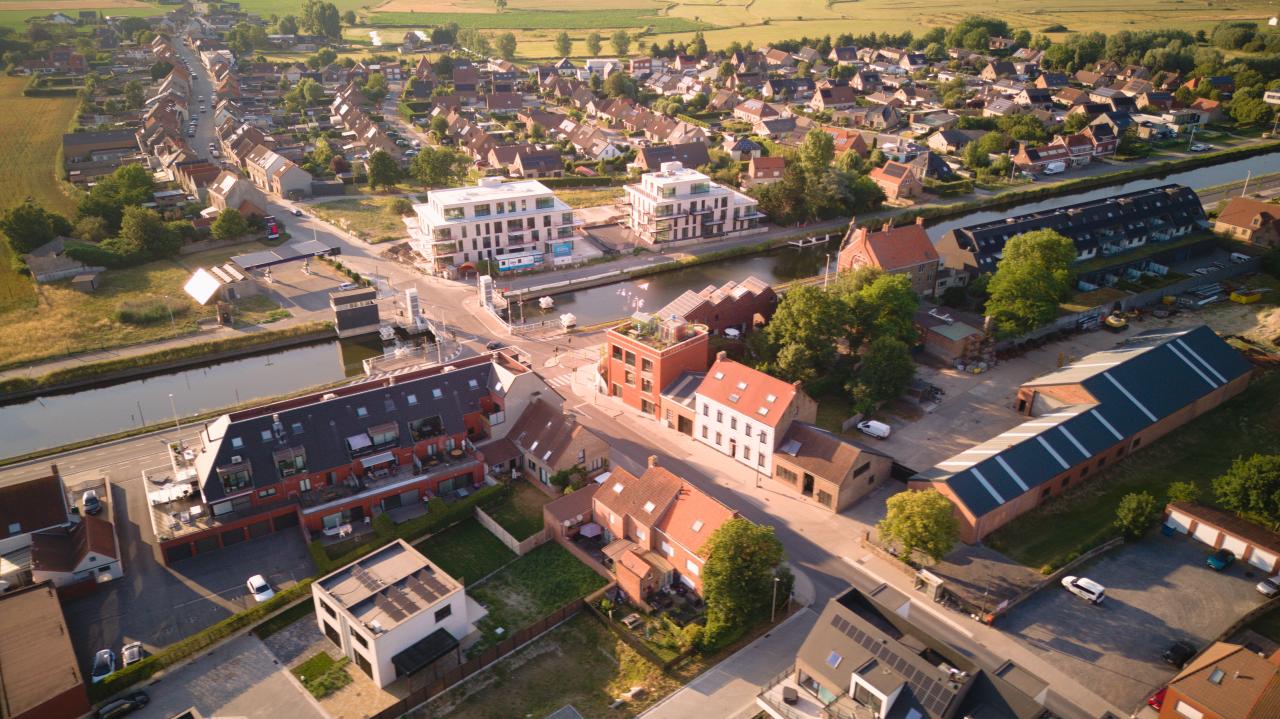
Modern commercial cultural tours rely on multi-channel spatial acoustic translation node hardware to deliver crystal-clear multilingual narration across complex historical sites. These high-performance wireless transmission nodes process real-time audio feeds, broadcasting localized historical narratives directly to guest receiver units without signal overlap.
A. Dynamic ultra-wideband audio transmitters beam uncompressed voice tracks across broad historical open-air plazas without acoustic dropouts. B. Automated noise-canceling digital signal processors filter out ambient city noise, delivering crisp narration directly into guest listening devices. C. Ruggedized weatherproof node enclosures protect internal transmission circuitry against extreme weather variations, ensuring uninterrupted daily site operations.
Deploying high-precision acoustic nodes across cultural walking routes eliminates guide voice strain and prevents audio bleed between adjacent touring groups. Heritage destination operators provide seamless multilingual commentary that enhances guest immersion while maintaining high group turnover capacity.
Continuous Structural Conservation Sensor Telemetry Networks
Preserving fragile historical architecture during high-volume cultural walking tours relies on continuous structural conservation sensor telemetry networks. Advanced Internet of Things sensor arrays monitor structural vibration levels, surface humidity fluctuations, and ambient foot-traffic stress across historical buildings continuously.
A. Micro-electro-mechanical vibration sensors detect subtle structural shifts caused by heavy foot traffic, alerting site managers to potential structural fatigue instantly. B. Automated optical strain gauges measure micro-fissure expansion across ancient masonry, recording material stress data under varying weather conditions. C. Wireless environmental telemetry nodes upload real-time relative humidity data to central facility servers, triggering automated climate adjustments dynamically.
Monitoring historical site integrity through automated telemetry networks prevents irreversible structural damage and ensures total safety compliance during peak touring hours. Asset management funds safeguard valuable cultural real estate while hosting thousands of daily visitors without accelerating physical wear.
Computerized Micro Transit Fleet Scheduling System Modules
Connecting isolated regional craft villages and historical landmarks requires computerized micro transit fleet scheduling system modules. Advanced transit routing software coordinates electric shuttles, regional heritage trains, and private water taxis dynamically based on live guest movement data.
A. Predictive demand algorithms analyze ticket sales and site arrivals, dispatching auxiliary electric shuttles to high-density transport nodes automatically. B. GPS-tracked vehicle telemetry units stream real-time spatial positioning data to central control hubs, optimizing vehicle cruising speeds to reduce power consumption. C. Automated fleet charging management platforms monitor battery health cycles continuously, scheduling rapid recharging sessions during off-peak touring intervals.
Coordinating regional cultural transport through automated scheduling platforms eliminates guest travel friction and expands the geographic reach of local tour packages. Tour operators bundle multiple regional craft workshops into seamless single-day itineraries that maximize daily transactional revenues.
Automated High Density Pedestrian Flow Control Barriers
Managing visitor density through tight historical alleys and delicate museum corridors relies on automated high-density pedestrian flow control barriers. Smart physical access gates synchronize with central ticket validation systems, regulating visitor entries to match real-time site capacity thresholds.
A. High-speed optical passage sensors track individual pedestrian movements through access portals, maintaining precise real-time headcount tallies within historical chambers. B. Motorized barrier arms adjust entry passage speeds dynamically based on downstream crowd density metrics, preventing hazardous corridor congestion. C. Integrated contactless RFID readers authenticate guest digital passes in milliseconds, preventing entry queue backlogs during peak morning hours.
Regulating pedestrian movements through automated barrier systems eliminates dangerous crowd bottlenecks and preserves the intimate atmosphere of historical destinations. Site directors maintain steady visitor circulation patterns while upholding strict fire safety and historical conservation standards.
Multi Axis Automated Volumetric Spatial Mapping Scanner Rigs
Creating interactive digital twins and virtual pre-tour previews of historical landmarks relies on multi-axis automated volumetric spatial mapping scanner rigs. High-precision LiDAR sensors and high-resolution camera arrays capture detailed physical geometries, building precise three-dimensional digital site models.
A. Motorized gimbal mounts rotate LiDAR scanner units across dynamic angles, capturing millions of precise spatial coordinates per second effortlessly. B. Automated exposure compensation software neutralizes erratic sunlight variations inside historical ruins, producing color-accurate surface texture maps continuously. C. High-bandwidth edge-processing units stitch point-cloud data into unified structural meshes instantly, bypassing time-consuming manual post-processing workflows.
Capturing structural site geometries with automated spatial scanners provides valuable assets for virtual tourism applications and physical restoration planning. Destination managers monetize virtual tour passes alongside physical access tickets, opening up secondary global revenue streams.
Continuous Automated Artisan Workshop Reservation Infrastructure
Integrating traditional craft artisans, local culinary masters, and indigenous performance artists into commercial tour itineraries relies on continuous automated artisan workshop reservation infrastructure. Specialized digital booking engines connect independent local craft studios with central tour operator schedules seamlessly.
A. Cloud-based inventory synchronization engines update real-time workshop seat availability continuously, preventing double-booking incidents across multiple booking channels. B. Automated micro-payout processing gateways disburse commission payments to local artisans instantly upon guest check-in verification, fostering strong community partnerships. C. Digital scheduling modules allow local craft masters to update daily studio working hours dynamically through simple mobile interfaces.
Automating artisan booking logistics creates structured commercial pipelines for local cultural creators while expanding exclusive tour options for luxury travelers. Destination management firms build highly differentiated, authentic tour products that command premium booking prices.
Computerized Interactive Heritage App Distribution Platforms
Delivering personalized self-guided cultural exploration options relies on computerized interactive heritage application distribution platforms. Custom mobile software environments utilize indoor positioning beacons and geofencing triggers to deliver rich multimedia content to guest smartphones based on their exact physical location.
A. Bluetooth low-energy beacon arrays trigger location-specific video commentary and historical photos instantly as guests enter designated site zones. B. Automated offline data caching protocols pre-load high-resolution media assets onto guest devices, ensuring smooth app performance inside subterranean or remote historical areas. C. Interactive digital mapping engines display customized walking routes based on individual guest mobility preferences and time constraints dynamically.
Providing location-aware mobile tour content empowers guests to explore historical sites at their own pace without requiring dedicated personal guides. Tour companies scale their guest volume capacity exponentially while maintaining low labor overhead per individual visitor.
Automated Solar Powered Environmental Amenity Pods
Sustaining comfortable visitor amenities in remote historical ruins or rural eco-cultural routes relies on automated solar-powered environmental amenity pods. Self-contained utility structures supply clean water, climate-controlled rest areas, and sanitation facilities off-grid without damaging historical grounds.
A. High-efficiency monocrystalline solar arrays charge localized energy storage banks, powering internal lighting, air purification, and water pumps continuously. B. Closed-loop biological water filtration systems process and recycle greywater, eliminating the need for invasive subterranean plumbing installations. C. Automated self-cleaning sanitization systems flush and disinfect interior amenity spaces automatically after specific usage cycles, maintaining high hygienic standards.
Deploying off-grid amenity pods across remote cultural trails extends guest dwell times and increases overall tour satisfaction across remote destinations. Park directors monetize remote heritage sites without investing in costly municipal utility expansions or altering delicate natural landscapes.
Inline Digital Twin Cultural Tour Telemetry Analytics Networks
Verifying operational efficiency, guide performance, and guest satisfaction across multi-site cultural tour operations relies on inline digital twin cultural tour telemetry analytics networks. Enterprise management software aggregates continuous data feeds from guides, vehicles, and venue entry points into central operational dashboards.
A. Distributed GPS telemetry trackers record group movement speeds continuously, flagging schedule delays across complex multi-stop tour routes instantly. B. Cloud-based sentiment analytics engines process post-tour digital survey ratings, identifying operational service bottlenecks before they impact overall brand reputation. C. Automated resource optimization modules adjust guide staffing assignments dynamically based on forward booking trends and seasonal tourism spikes.
Monitoring cultural tour operations through digital twin analytics platforms maximizes labor efficiency and eliminates systemic schedule delays across complex travel networks. Operations managers maintain strict quality control standards while scaling tour output across multiple historical cities.
Strategic Capital Allocation And Cultural Infrastructure ROI Modeling
Evaluating industrial cultural tourism heritage asset acquisitions through a structured corporate finance framework converts tourism hardware investments into a high-yield capital allocation strategy. Advanced financial modeling software projects capital expenditure payback timelines, operational labor savings, and long-term asset value enhancements accurately.
A. Financial forecasting software calculates capital payback periods by modeling increased daily visitor throughput, higher ticket margins, and reduced site maintenance costs. B. Total cost of ownership tools analyze long-term sensor calibration schedules, acoustic hardware wear, and software platform licensing across multi-year operational schedules. C. Enterprise valuation modeling modules quantify proprietary cultural asset management capacity and exclusive heritage site operational rights, elevating firm appraisals for institutional investors.
Structuring automated cultural tourism infrastructure investments through corporate finance modeling validates capital allocation requests to private equity boards and sovereign wealth funds. Executive leadership builds a highly profitable, scalable cultural tourism footprint engineered for continuous commercial yield.
Conclusion
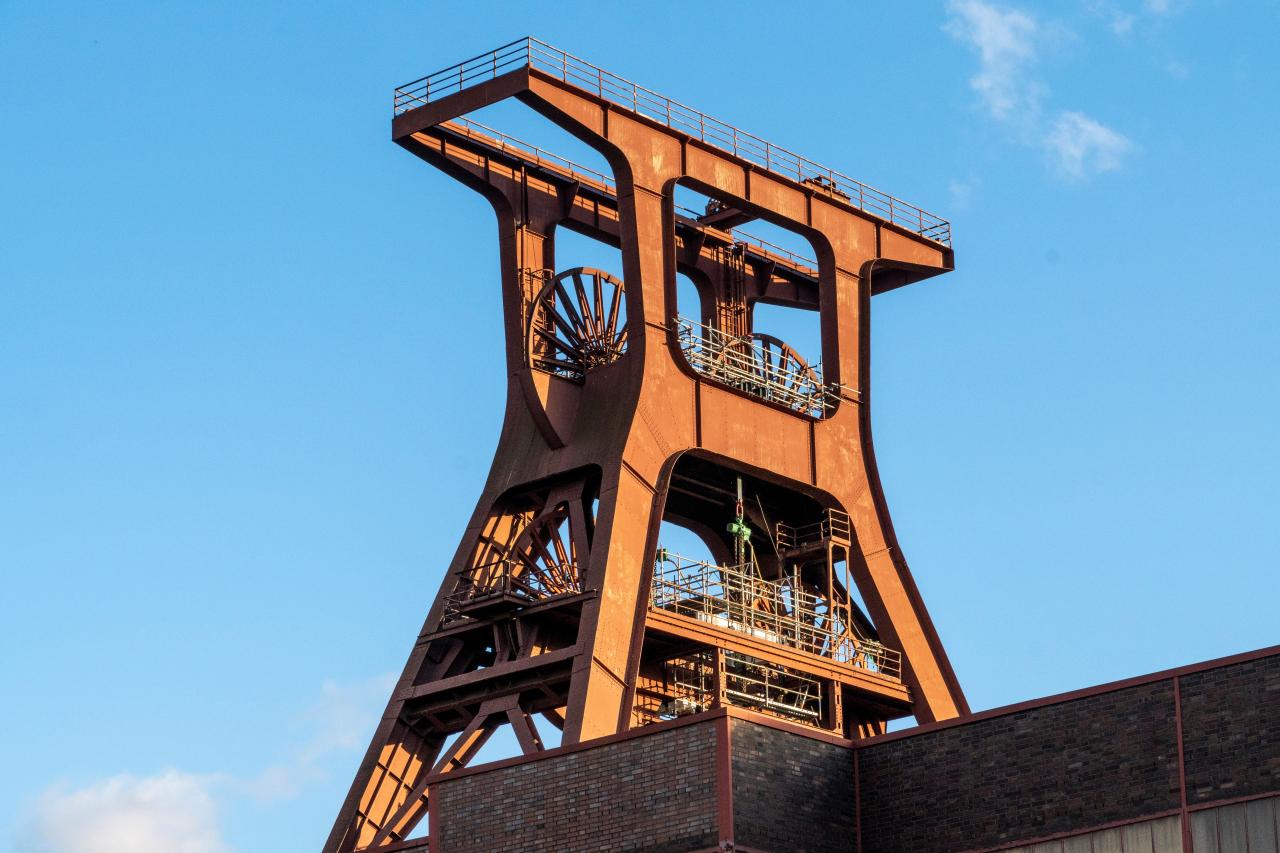
Investing in industrial cultural tourism heritage asset platforms represents a decisive move for modern heritage investment funds and regional tourism development boards. Automating cultural site management eliminates physical site erosion liabilities, high seasonal labor overhead, and operational crowd bottleneck risks across commercial travel destinations.
Every mechanical and digital optimization within your cultural destination management framework directly boosts visitor throughput capacity and long-term asset appraisal values. Sustaining continuous commercial growth requires a resilient cultural asset management infrastructure capable of delivering rich historical experiences rapidly without operational delays.
Advanced acoustic translation nodes, structural telemetry networks, and automated access barriers deliver the technical precision needed to excel in fast-growing luxury heritage travel sectors. Securing total authority over custom cultural destination management infrastructure is a paramount strategy for forward-thinking hospitality and asset management leadership teams.
As global travel markets demand authentic cultural immersion alongside seamless operational efficiency, holding direct control over your specialized heritage management technology becomes your primary asset. Your enterprise’s future cultural tourism market share and sustained commercial profitability depend directly on the technical capabilities of the asset processing platforms you deploy today.