

The global live entertainment technology market, luxury venue infrastructure sector, and enterprise event production ecosystem are currently undergoing a massive structural transformation toward enterprise augmented reality hybrid music event equipment platforms, an innovative industrial framework that treats high-density spatial rendering servers, ultra-low latency wireless transceiver nodes, optical tracking spatial cameras, and volumetric video capture arrays as top-tier strategic assets requiring the exact same financial discipline as an institutional investment portfolio.
Event production conglomerates, stadium infrastructure developers, commercial festival operators, and immersive venue renovators are actively navigating an unprecedented evolution in interactive music experiences where traditional analog stage lighting, basic fixed LED video walls, high-latency video streaming servers, and legacy manual camera tracking workflows are no longer sufficient for managing modern crowd engagement expectations and high-density spatial media demands, replaced instead by dynamic enterprise augmented reality processing suites that leverage multi-node edge computing, continuous optical spatial calibration, ultra-wideband wave tracking, and digitized holographic spatial monitoring to deliver highly resilient hybrid entertainment experiences across global venue networks.
This technological paradigm shift is driven by the strict operational reality that executing large-scale hybrid music festivals exclusively through outdated broadcast and stage production supply chains introduces severe spatial rendering drift liabilities, escalating satellite band latency expenses, and unaddressed audience synchronization failures, making legacy concert technology models financially and operationally unsustainable for modern media and entertainment enterprises.
Comprehensive entertainment technology market analyses confirm that deploying enterprise augmented reality event processing machinery into commercial production workflows dramatically lowers live stream deployment overhead, accelerates venue commissioning timelines, and enhances long-term event property appraisals by replacing static video production setups with fully automated, target-tailored volumetric rendering, spatial audio, and interactive digital effect engines.
These sophisticated media processing platforms do not rely on basic consumer webcams or simple manual video switchers; rather, they process complex spatial point clouds, high-bitrate volumetric video feeds, multi-channel spatial audio streams, and real-time motion capture data through specialized automated graphics acceleration and high-precision optical tracking networks to guarantee that finished augmented reality stage overlays, interactive digital avatars, and synchronized virtual venue environments achieve optimal spatial registration, superior frame-rate consistency, compliant broadcast safety ratings, and high data processing throughput rates.
For chief technology officers, live event production directors, and immersive media venture capital partners, establishing a comprehensive augmented reality event processing infrastructure represents an essential strategic imperative, unlocking an unprecedented level of production longevity, global audience throughput, and capital investment returns that legacy concert setups simply cannot deliver.
As the financial costs of streaming bandwidth surcharges, frequent field hardware failures, and viewer drop-off remediation projects continue to compound across competitive entertainment sectors, maintaining absolute authority over high-performance spatial computing hardware and advanced automated rendering technology has emerged as a primary benchmark for forward-thinking leadership focused on sustaining long-term operational resilience, product line quality compliance, and market dominance.
This detailed technical report evaluates the core functional modules, material processing architectures, and strategic deployment frameworks of top enterprise augmented reality hybrid music event equipment, providing an actionable roadmap for any organization seeking to transform its festival production facilities into a high-performance, immersive live performance engine. By incorporating these advanced multi-node rendering rack servers, continuous optical motion tracking cameras, and automated spatial audio processing matrix units into your production and venue operations today, your organization effectively mitigates compliance risks, establishes strong market entry barriers, and secures a permanent competitive advantage across all global commercial live music and hybrid event sectors.
Multi Node Edge Computing Spatial Rendering Rack Servers
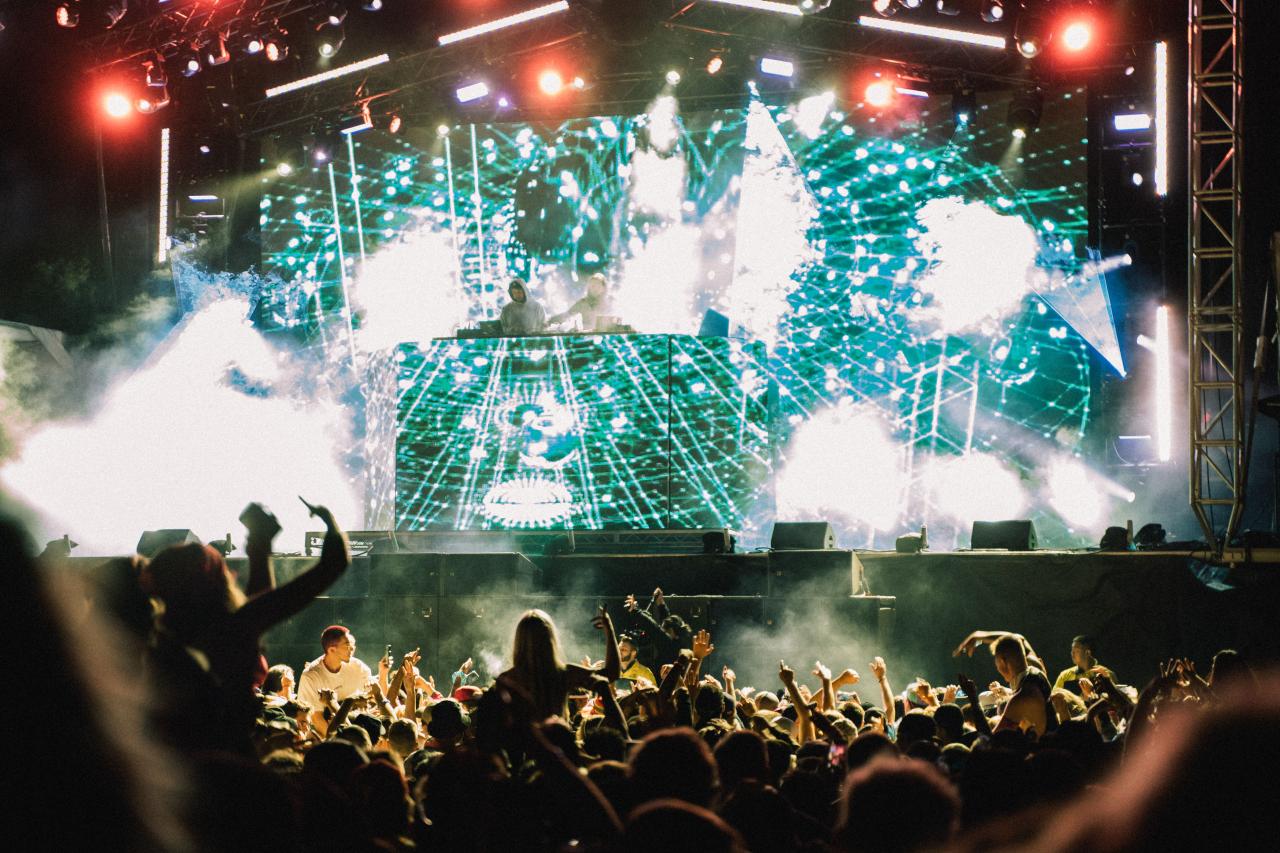
Modern augmented reality hybrid music festivals rely on multi-node edge computing spatial rendering rack servers to execute complex dynamic digital overlays in real time. These advanced industrial media processing centers calculate millions of spatial polygons and volumetric video pixels per second with sub-millisecond motion-to-photon latency continuously.
A. High-density GPU clusters process multi-camera spatial point clouds instantly, rendering photorealistic digital stage effects into live concert broadcast feeds without frame drops. B. Automated dynamic load-balancing software distributes graphics rendering tasks across local edge servers, preventing individual processor thermal throttling during peak show moments. C. Liquid-cooled server chassis assemblies dissipate high thermal outputs securely, maintaining uninterrupted multi-hour performance across intense outdoor summer music festivals.
Executing complex augmented reality graphics under enterprise edge computing parameters eliminates visual lag and digital artifacting across live attendee smartphone displays. Event production firms supply mega-festivals and global stadium tours with seamless holographic stage elements that enhance live audience engagement effortlessly.
Continuous Ultra Low Latency Wireless Spatial Transceiver Nodes
Delivering interactive holographic visuals directly to tens of thousands of simultaneous festival attendees relies on continuous ultra-low latency wireless spatial transceiver nodes. Advanced high-frequency millimeter-wave broadcast arrays distribute dense spatial tracking data and augmented reality overlays across crowded festival grounds seamlessly.
A. Beamforming multi-antenna arrays lock onto individual wearable augmented reality headsets dynamically, maintaining high-throughput data links through dense concert crowds. B. Automated spectrum hopping algorithms shift transmission frequencies away from cellular interference channels continuously, preserving low-packet-loss signal connections. C. Ruggedized weather-sealed transceiver housings protect delicate high-frequency radio hardware from severe outdoor weather conditions and extreme vibration environments.
Transmitting dense spatial data streams across high-bandwidth wireless networks ensures synchronized augmented reality visual overlays for every venue participant. Venue operators acquire robust wireless infrastructure capable of delivering interactive digital content to vast stadium audiences without bandwidth degradation.
Computerized Optical Spatial Motion Tracking Camera Systems
Achieving flawless spatial alignment between real-world live performers, physical stages, and virtual digital elements requires computerized optical spatial motion tracking camera systems. Advanced multi-camera infrared positioning arrays track stage performers, camera cranes, and drone feeds with millimeter spatial accuracy.
A. Retro-reflective optical camera networks track active stage markers constantly, calculating dynamic three-dimensional coordinates for live performer movements. B. High-resolution infrared sensors feed real-time spatial positioning data into central rendering engines, preventing virtual object drift relative to physical stage props. C. Automated lens calibration software corrects optical distortion parameters dynamically, maintaining precise spatial alignment across ultra-wide angle camera moves.
Tracking physical stage elements under high-precision optical monitoring prevents virtual visual elements from floating or misaligning during dynamic live performances. Festival directors execute complex augmented reality spectacles where live musicians interact directly with virtual stage structures and dynamic digital avatars.
Automated Multi Channel Spatial Audio Processing Matrix Units
Creating immersive acoustic environments that match dynamic augmented reality visuals relies on automated multi-channel spatial audio processing matrix units. Advanced digital signal processing platforms calculate three-dimensional acoustic ray-tracing, positioning virtual audio objects seamlessly across massive stadium loudspeaker arrays and personal headphone feeds.
A. High-speed digital signal processors calculate dynamic acoustic reflections based on virtual stage geometry, delivering realistic spatial sound fields in real time. B. Automated delay-compensation matrix units align virtual object audio timing with live stage sound reinforced through massive venue subwoofer banks. C. Multi-channel object-based audio encoders generate personalized spatial audio streams, delivering directional sound cues directly to user mobile applications.
Processing spatial audio under real-time acoustic calculations enhances emotional immersion for both live venue attendees and remote virtual stream viewers. Commercial sound engineers deliver breathtaking three-dimensional audio mixes that elevate live vocal performances and electronic synthesizer compositions.
Multi Axis Automated Volumetric Video Capture Camera Arrays
Capturing live musical artists in full three-dimensional volumetric video for instant augmented reality projection relies on multi-axis automated volumetric capture camera arrays. Specialized circular camera rigs record high-resolution color and depth data from surrounding vantage points continuously.
A. Synchronized high-resolution image sensors capture full-body performer textures and geometry from every angle, generating dynamic three-dimensional point clouds continuously. B. Real-time hardware depth-extraction engines combine video feeds into unified volumetric meshes instantly, bypassing traditional post-production processing delays. C. Automated lighting balance sensors equalize exposure levels across all capture cameras, eliminating surface shadow inconsistencies on rendered virtual performer models.
Generating real-time volumetric video streams enables live musical performances to be projected simultaneously into multiple remote venue stages globally. Production companies expand live festival reach exponentially by broadcasting realistic three-dimensional performer holograms into satellite concert venues worldwide.
Continuous Automated Fiber Optic Stage Media Distribution Networks
Connecting high-density cameras, rendering servers, and stage displays across massive festival footprints relies on continuous automated fiber optic stage media distribution networks. Advanced ruggedized optical routing hubs transmit uncompressed multi-gigabit video and control signals over long distance cables without signal attenuation.
A. Heavy-duty tactical fiber optic cables withstand physical foot traffic and heavy equipment drive-overs, protecting multi-channel video data pipelines. B. Automated optical signal re-clocking modules restore degraded light signals continuously, maintaining error-free transmission over thousands of meters. C. Redundant hot-swappable fiber transceiver ports switch data routes instantly upon detecting cable breaks, ensuring zero show interruption risks.
Routing massive live media streams through high-speed optical distribution networks prevents video signal dropouts and transmission glitches during main-stage headline sets. Technical event managers guarantee continuous, uncompressed data flows between front-of-house control booths and remote rendering server racks.
Computerized Dynamic Laser Scanning Spatial Calibration Units
Mapping massive outdoor festival stages and changing venue environments into precise spatial coordinates relies on computerized dynamic laser scanning calibration units. Advanced LiDAR mapping devices sweep continuous laser beams across physical structures, generating instant, centimeter-accurate spatial point clouds.
A. High-speed rotating LiDAR sensors capture millions of environmental elevation points per second, building precise digital twin models of physical festival stages. B. Dynamic surface change detection algorithms identify newly added stage props or altered lighting rigs instantly, updating target rendering geometries automatically. C. Wireless spatial telemetry modules transmit updated physical stage coordinates directly into central rendering engines, eliminating manual calibration workflows.
Calibrating venue spatial geometry with high-speed laser scanners eliminates setup delays and guarantees immediate alignment between virtual effects and physical stage structures. Production crews configure complex augmented reality visual frameworks within hours instead of spending days executing manual spatial measurements.
Automated Robotic Motion Control Camera Jibs For AR Framing
Capturing smooth, perfectly tracked cinema movements for hybrid augmented reality broadcasts relies on multi-axis automated robotic motion control camera jibs. Advanced motorized camera arms execute complex pre-programmed flight paths while continuously feeding spatial telemetry into graphics engines.
A. High-torque brushless servo motors move heavy cinematic camera payloads along smooth trajectories, eliminating mechanical jitter and frame vibration. B. Absolute position encoders track arm rotation, elevation, and camera lens focal length continuously, feeding frame-accurate spatial data to rendering servers. C. Automated collision detection sensors monitor moving jib arms in real time, preventing accidental impacts with live stage performers or rigging structures.
Executing camera movements through automated robotic motion control ensures perfect visual synchronization between live camera framing and computer-generated augmented reality assets. Broadcast directors deliver smooth, Hollywood-grade camera movements that make virtual stage elements look fully integrated into the physical venue.
Inline Digital Twin Augmented Reality Quality Telemetry Systems
Verifying frame rates, spatial registration accuracy, and end-to-end network latency across hybrid event broadcasts relies on inline digital twin augmented reality quality telemetry systems. Advanced software diagnostics evaluate live broadcast channels continuously, identifying performance bottlenecks before visual degradation hits subscriber screens.
A. Multi-point optical monitoring probes sample output broadcast frames constantly, measuring sub-pixel alignment errors between virtual overlays and real stages. B. Cloud-based telemetry analytics platforms aggregate network throughput metrics from thousands of user devices, identifying regional signal congestion zones. C. Automated performance optimization scripts adjust rendering detail levels dynamically, maintaining smooth frame rates during unexpected network latency spikes.
Monitoring augmented reality broadcast quality through automated telemetry networks protects production companies from subscriber drop-outs and brand reputational damage. Technical directors guarantee flawless broadcast delivery across diverse mobile devices, smart glasses, and streaming platforms.
Strategic Capital Allocation And Event Machinery ROI Modeling
Evaluating enterprise augmented reality hybrid music event equipment acquisitions through a structured corporate finance framework converts production hardware upgrades into a high-yield capital investment strategy. Advanced financial modeling software projects capital expenditure payback timelines, equipment rental yields, and long-term event property value enhancements accurately.
A. Financial forecasting software calculates capital payback periods by modeling increased virtual ticket sales, higher sponsor placement valuations, and lower physical setup labor. B. Total cost of ownership tools analyze long-term server power consumption, fiber optic cable maintenance, and software licensing fees across multi-year event schedules. C. Enterprise valuation modeling modules quantify proprietary augmented reality event production capacity and immersive media patents, elevating firm appraisals for institutional investors.
Structuring automated event production hardware investments through corporate finance modeling validates capital allocation requests to executive board members. Executive leadership establishes a highly profitable, scalable hybrid entertainment production footprint engineered for continuous commercial success.
Conclusion
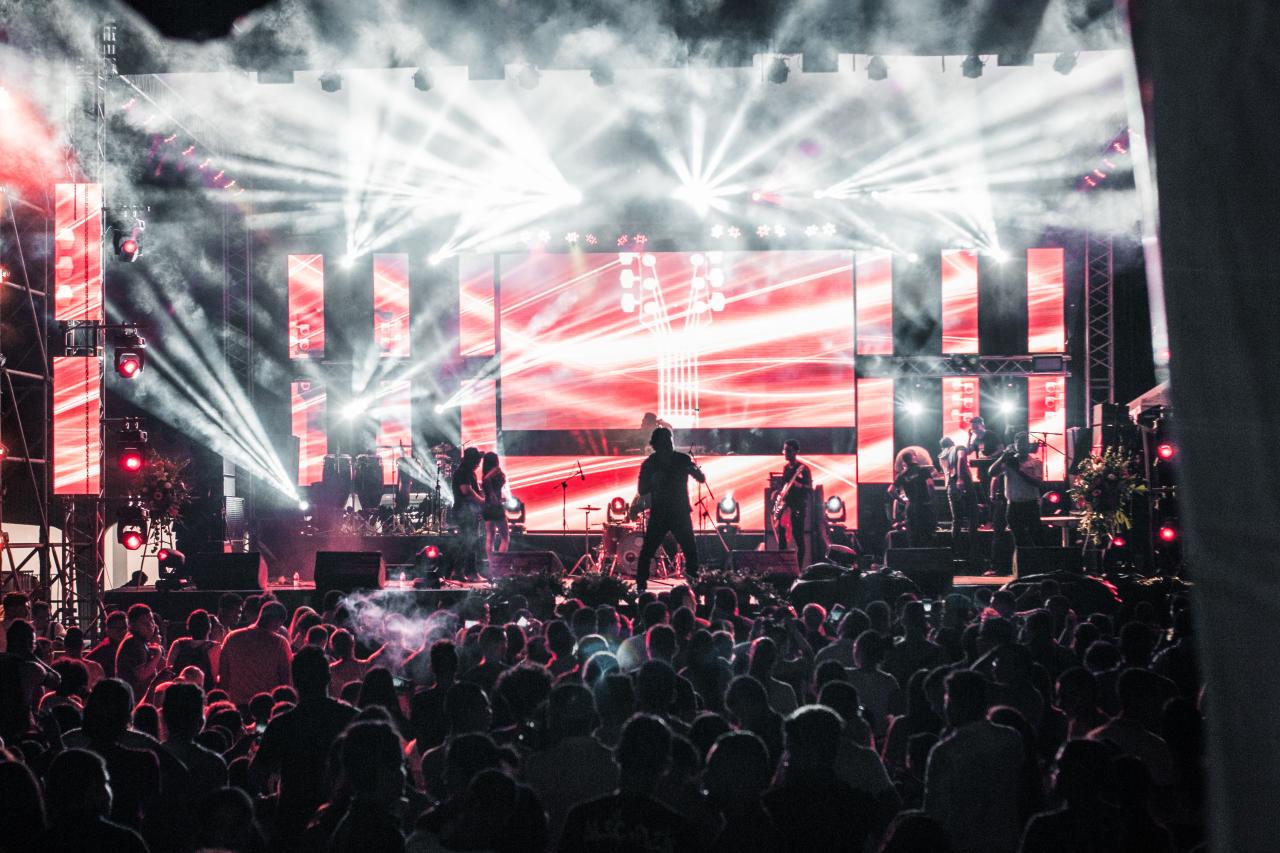
Investing in enterprise augmented reality hybrid music event equipment represents a vital strategic move for modern live entertainment development and event production leadership teams. Automating spatial media processing eliminates interactive latency liabilities, frequent hardware failure expenses, and broadcast synchronization risks across commercial operations.
Every technical and digital optimization within your event production framework directly strengthens broadcast throughput and long-term event asset value. Sustaining continuous commercial growth requires a resilient spatial media processing infrastructure capable of delivering dynamic interactive entertainment rapidly without operational delays.
Advanced edge rendering servers, low-latency wireless transceivers, and volumetric capture arrays deliver the technical precision needed to lead in fast-growing hybrid entertainment and live event sectors. Securing total authority over custom augmented reality production infrastructure is a decisive action for forward-thinking entertainment leadership teams.
As global entertainment markets demand immersive hybrid concert experiences and interactive live media, maintaining full control over your specialized event processing hardware becomes your primary operational asset. Your enterprise’s future live event production capacity and commercial profitability depend directly on the structural quality of the material processing platforms you deploy today.