

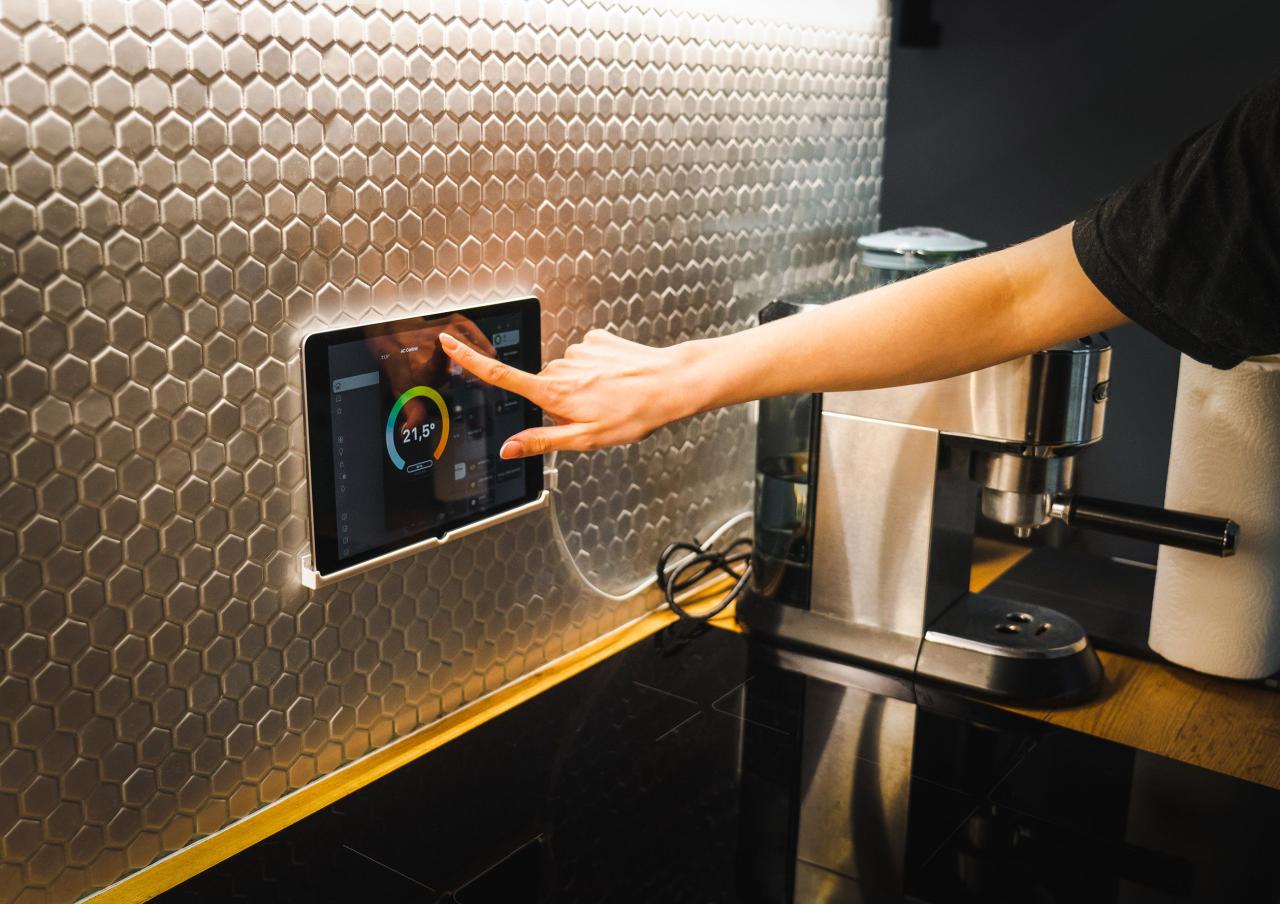
The global residential power management infrastructure, commercial building automation sector, and microgrid technology ecosystem are currently undergoing a massive structural transformation toward advanced smart home energy automation systems, an innovative hardware and software architecture that treats residential battery storage units, intelligent circuit breaker panels, high-efficiency solar inverter arrays, and automated load balancing software as top-tier strategic assets requiring the exact same financial discipline as an institutional investment portfolio.
Executive property managers, commercial real estate developers, smart grid utility operators, and enterprise residential technology providers are actively navigating an unprecedented evolution in energy management where traditional static electrical distribution, manual breaker resetting, unmonitored baseline power consumption, and passive grid dependency are no longer sufficient for managing modern peak demand pricing vectors and residential decarbonization mandates, replaced instead by dynamic enterprise smart home energy automation suites that leverage edge-computed load shedding, real-time power flow telemetry, predictive AI generation modeling, and automated time-of-use arbitration to deliver highly resilient energy distribution across modern smart residential portfolios.
This technological paradigm shift is driven by the strict operational reality that managing modern high-load residential properties exclusively through outdated electrical panels introduces severe thermal overload liabilities, escalating utility demand charges, and unaddressed power outage downtime risks, making legacy electrical infrastructure financially and operationally unsustainable for modern real estate enterprise operators.
Comprehensive energy technology market analyses confirm that deploying enterprise smart home energy automation systems into residential and multi-family property developments dramatically lowers long-term utility overhead, accelerates microgrid power independence, and enhances overall real estate asset valuations by replacing legacy breaker boxes with fully automated, target-tailored electrical distribution engines.
These sophisticated energy management platforms do not rely on basic plug-in timers or simple manual surge protectors; rather, they process complex electrical loads, grid feed-in tariffs, and battery state-of-charge metrics through specialized automated switching networks and digital micro-controllers to guarantee that residential energy routing achieves optimal power efficiency, superior voltage stability, compliant safety ratings, and high power conversion rates.
For chief operating officers, real estate technology directors, and smart grid venture capital partners, establishing a comprehensive residential energy automation infrastructure represents an essential strategic imperative, unlocking an unprecedented level of operational control, grid resilience, and capital investment returns that legacy electrical panel installations simply cannot deliver. As the financial costs of peak demand utility surcharges, aging municipal grid blackouts, and unmanaged electric vehicle charging loads continue to compound across competitive property sectors, maintaining absolute authority over high-performance smart panel hardware and advanced energy management software has emerged as a primary benchmark for forward-thinking leadership focused on sustaining long-term property values, operational continuity, and market dominance.
This detailed technical report evaluates the core functional modules, power routing architectures, and strategic deployment frameworks of top enterprise smart home energy automation systems, providing an actionable roadmap for any organization seeking to transform its residential property assets into high-performance, energy-independent power generation nodes.
By incorporating these advanced intelligent circuit panels, hybrid solar inverters, and automated load balancing suites into your real estate portfolios today, your organization effectively mitigates utility rate volatility, establishes strong property market entry barriers, and secures a permanent competitive advantage across all modern housing sectors.
 Intelligent Solid State Circuit Breaker Panels
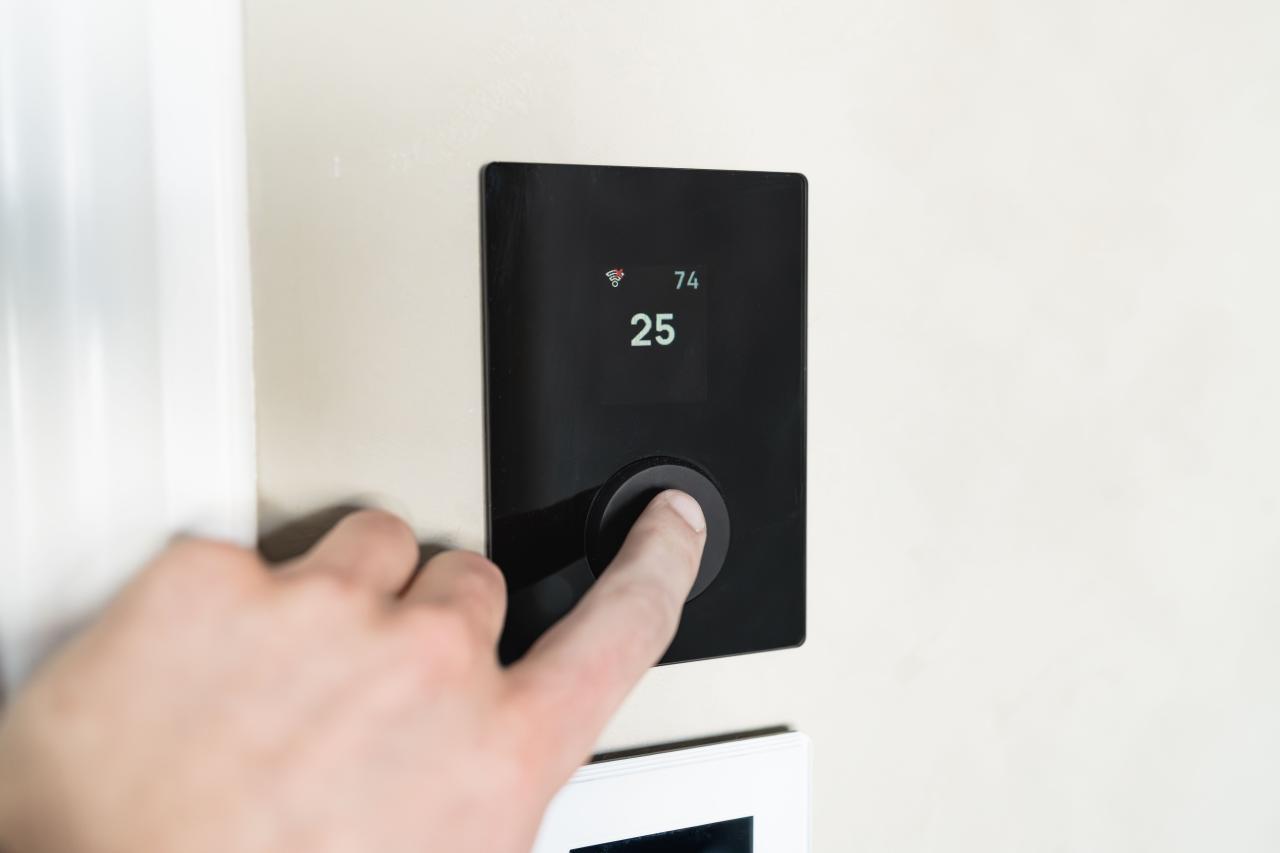
Modern high-efficiency smart homes rely on intelligent solid-state circuit breaker panels to replace traditional mechanical thermal breakers. These digital power distribution hubs monitor voltage and current signatures continuously, executing automated sub-millisecond load shedding actions when circuit thresholds exceed safe operating parameters.
A. Solid-state switching transistors interrupt fault currents within microseconds, eliminating mechanical arcing risks and protecting delicate electronic home appliances. B. High-precision current transformers record power consumption per individual branch circuit continuously, feeding granular energy metrics into central automation platforms. C. Programmable remote circuit actuation modules allow homeowners and property managers to turn specific high-load circuits on or off dynamically.
Controlling individual circuits digitally enables properties to prioritize critical loads like refrigeration and security systems during unexpected power grid outages. Real estate operators maintain total electrical visibility across properties while reducing fire hazards associated with traditional thermal breakers.
High Conversion Hybrid Solar Inverter Modules
Converting rooftop direct current solar power into stable alternating current requires advanced hybrid solar inverter architectures integrated with smart home control buses. Modern hybrid inverters manage bi-directional energy flows continuously, routing solar power between home loads, battery storage, and the utility grid seamlessly.
A. Multi-channel maximum power point tracking algorithms optimize solar array harvesting efficiency continuously under dynamic shading and weather conditions. B. Wide bandgap silicon carbide power switches minimize thermal conversion losses, delivering industry-leading DC-to-AC power conversion efficiency ratings. C. Grid-forming inverter software enables off-grid islanding operation instantly during grid collapse, maintaining stable house voltage and frequency metrics.
Optimizing solar power conversion minimizes reliance on expensive municipal grid electricity during peak sun hours. Property owners capture maximum value from installed solar hardware assets through optimized self-consumption rates.
Scalable Lithium Iron Phosphate Battery Storage Banks
Storing excess renewable energy generated during off-peak hours requires stationary lithium iron phosphate battery storage banks designed for high-cycle longevity. These energy storage modules deliver stable backup power continuously, featuring built-in battery management systems that prevent thermal runaways.
A. Cobalt-free lithium iron phosphate chemistry provides superior thermal stability and long calendar lifespans exceeding thousands of full charge cycles. B. Integrated active cell balancing modules equalize voltage distribution across internal battery cells continuously, maximizing total usable storage capacity. C. Automated liquid cooling plates regulate battery pack temperatures during rapid high-power discharge events, extending overall chemical cell lifespan.
Deploying on-site battery storage isolates residential properties from sudden utility power outages and extreme peak-demand electricity pricing structures. Property managers establish energy self-sufficiency while lowering operational energy procurement costs significantly.
Predictive AI Time Of Use Electricity Rate Arbitrage Software
Maximizing financial savings from dynamic utility rate structures relies on enterprise energy management software equipped with predictive machine learning engines. Advanced rate arbitrage software evaluates real-time utility electricity pricing, weather forecasts, and historical home consumption patterns to automate battery charging and discharging cycles.
A. Predictive consumption algorithms forecast daily household power demand profiles, scheduling high-load appliance operation during lowest cost pricing windows. B. Automated rate matrix parsers pull real-time electricity tariff schedules from local utilities, triggering battery discharge during top-tier peak price hours. C. Machine learning solar production models project daily generation yields accurately, reserving battery storage space for anticipated afternoon solar surpluses.
Automating charge and discharge timing ensures home electrical loads draw power from the cheapest available source at all times. Property portfolios achieve significant operational utility expense reductions without requiring manual adjustments from residents.
Automated Electric Vehicle Charging Station Load Balancing
Integrating high-power electric vehicle charging hardware into residential electrical systems without exceeding service limits requires automated dynamic load balancing equipment. Advanced level-two and level-three home charging stations communicate directly with smart electrical panels, adjusting charging power continuously.
A. Dynamic current throttling algorithms monitor total main panel load in real time, throttling vehicle charging power down during peak household cooking hours. B. Bi-directional vehicle-to-home power routing modules convert electric vehicle battery energy back into household power during emergency blackout events. C. Automated charging schedule managers delay vehicle charging until overnight off-peak utility hours, securing lowest possible electricity rates.
Managing vehicle charging power dynamically prevents costly service panel upgrades while eliminating circuit overload risks during peak home usage. Fleet operators and residential property owners accommodate high-demand electric vehicles safely and efficiently.
Smart HVAC Variable Speed Compressor Controllers
Heating and cooling systems represent the single largest energy load inside modern homes, making intelligent HVAC compressor automation essential for total energy optimization. Advanced variable-speed compressor drives interface with smart home automation networks, matching cooling output precisely to immediate thermal needs.
A. Variable-frequency inverter drives modulate compressor motor speeds smoothly, eliminating energy-intensive start-stop electrical surges typical of single-stage units. B. Multi-zone thermal sensor arrays monitor room-by-room temperatures continuously, directing conditioned air flow exclusively to occupied interior spaces. C. Automated humidity management modules balance moisture levels alongside temperature, optimizing indoor human comfort at higher thermostat set points.
Modulating HVAC power consumption smoothly lowers daily kilowatt-hour consumption while maintaining optimal indoor air quality and temperature stability. Property managers lower peak electrical demand spikes associated with sudden air conditioning compressor startups.
Automated Microgrid Islanding Transfer Switches
Transitioning a home seamlessly from grid-connected operation to an isolated microgrid during municipal power failures requires high-speed automated transfer switches. Advanced digital transfer switches monitor grid voltage quality continuously, disconnecting properties from failing power grids within milliseconds.
A. Motorized mechanical isolation contactors disconnect home circuits from utility lines rapidly, preventing dangerous back-feeding into municipal power grids. B. Phase synchronization sensors align inverter output frequency with remaining grid sine waves prior to reconnection, preventing electrical hardware damage. C. Low-power solenoid actuators maintain contact positions without continuous energy draw, optimizing standby efficiency across long operation periods.
Executing rapid grid isolation guarantees continuous electrical power supply for critical medical equipment, home security systems, and data networks. Real estate assets maintain absolute operational continuity regardless of external municipal grid stability.
Real Time Power Quality And Harmonic Filtering Telemetry
Protecting sensitive electronic equipment from power surges, voltage sags, and harmonic distortion requires real-time power quality telemetry modules integrated into smart panels. Advanced power monitoring units analyze incoming sine waves, executing dynamic active filtering to smooth out electrical noise.
A. High-speed digital signal processors analyze AC voltage waveforms continuously, identifying transient voltage spikes and harmonic frequency distortions. B. Active harmonic filters inject compensating current signals into home circuits, neutralizing destructive electrical noise generated by non-linear electronic loads. C. Automated surge suppression modules clamp high-voltage spikes instantly, diverting excess electrical energy safely into grounding systems.
Maintaining clean electrical sine waves extends the operational life of sensitive household electronics, smart appliances, and solar inverter components. Facility directors avoid costly hardware replacements caused by poor utility grid power quality.
Smart Water Heater Thermal Energy Storage Automation
Converting standard domestic hot water heaters into flexible thermal energy storage units offers an economical method for absorbing excess renewable power generation. Advanced water heater automation modules modulate heating element power continuously based on solar availability and utility rates.
A. Dual-element variable power controllers adjust electric heating power continuously, matching water heating load directly to surplus solar array production. B. High-accuracy temperature probe arrays calculate remaining thermal energy capacity inside water tanks, optimizing heating cycles dynamically. C. Automated anti-legionella thermal cycle managers raise tank temperatures periodically during high solar generation events, ensuring water safety naturally.
Storing excess solar power as thermal energy inside hot water tanks reduces reliance on chemical battery storage for basic heating needs. Homeowners lower daily electricity expenses while maintaining abundant domestic hot water supplies.
Strategic Capital Allocation And Energy Automation ROI Modeling
Evaluating smart home energy automation hardware acquisitions through a structured corporate finance framework converts residential upgrades into a high-yield capital investment strategy. Advanced financial modeling software projects capital expenditure payback timelines, utility bill savings, and real estate value appreciation accurately.
A. Financial forecasting software calculates capital payback periods by modeling reduced utility electricity purchases, demand charge elimination, and grid export revenues. B. Total cost of ownership tools analyze long-term inverter replacement cycles, battery capacity degradation curves, and software licensing fees across multi-year lifecycles. C. Enterprise valuation modeling modules quantify proprietary microgrid infrastructure and smart energy certifications, elevating overall property portfolio appraisals for institutional investors.
Structuring residential energy automation investments through rigorous corporate finance modeling validates capital budgets to executive board members. Executive leadership establishes a highly profitable, scalable smart real estate asset footprint engineered for continuous commercial success.
Conclusion
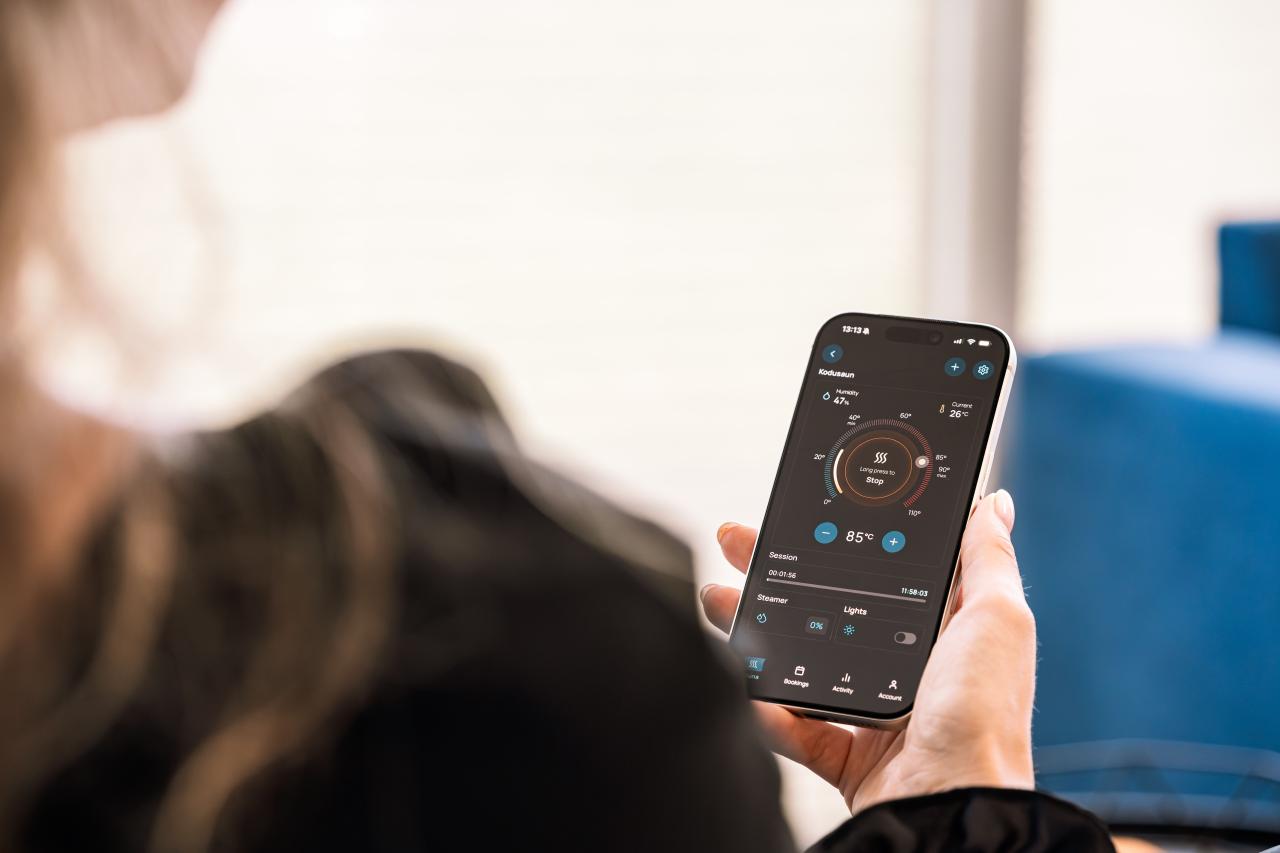
Investing in enterprise smart home energy automation systems represents a vital strategic move for modern real estate and facility leadership teams. Automating residential power distribution eliminates utility rate volatility, peak demand surcharges, and outage downtime risks across property portfolios.
Every electrical and software optimization within your energy automation framework directly strengthens power efficiency and long-term facility asset value. Sustaining continuous commercial growth requires a resilient residential energy infrastructure capable of managing complex electrical loads rapidly without operational delays.
Advanced intelligent circuit panels, hybrid solar inverters, and predictive energy software deliver the technical precision needed to lead in fast-growing smart real estate sectors. Securing total authority over custom residential microgrid infrastructure is a decisive action for forward-thinking property development leadership teams.
As global energy markets demand grid independence and strict residential decarbonization, maintaining full control over your energy automation machinery becomes your primary operational asset. Your enterprise’s future real estate market competitiveness and commercial profitability depend directly on the structural quality of the energy automation platforms you deploy today.