

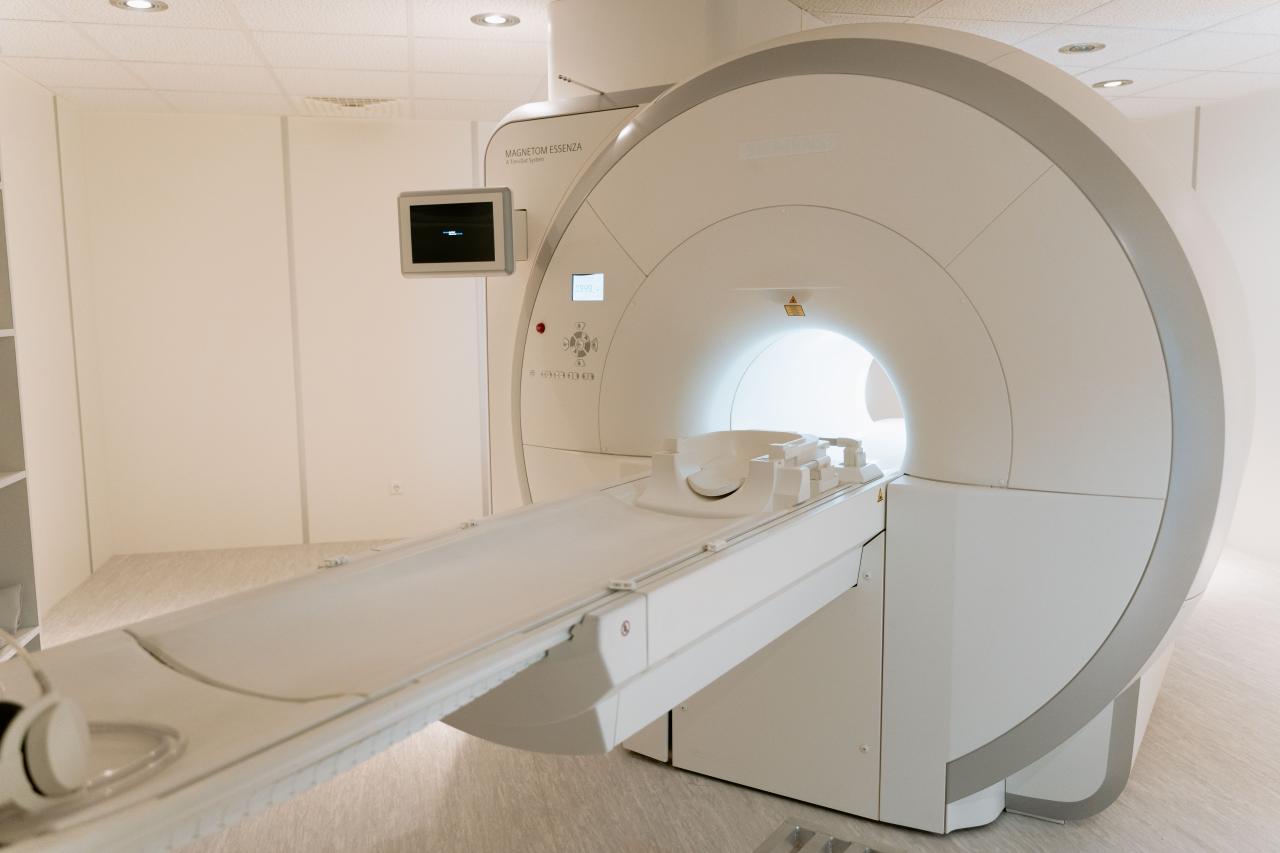
The global radiology infrastructure, preventive health ecosystem, and enterprise clinical diagnostic landscape are currently undergoing a massive structural transformation toward advanced full body scan diagnostic solutions, an innovative medical imaging architecture that treats enterprise magnetic resonance imaging systems, high-slice computed tomography scanners, dual-energy X-ray absorptiometry units, and automated molecular PET-CT suites as top-tier strategic assets requiring the exact same financial discipline as an institutional investment portfolio.
Executive wellness centers, commercial diagnostic imaging facilities, private health networks, and specialized oncology research institutes are actively navigating an unprecedented evolution in proactive health management where traditional localized scans, reactive symptom evaluations, manual radiologic readings, and low-resolution screening modalities are no longer sufficient for managing modern complex disease vectors and early cancer detection demands, replaced instead by dynamic enterprise diagnostic scanning platforms that leverage ultra-high-field magnetics, spectral photon-counting detectors, deep neural network image reconstruction, and real-time volumetric organ analysis to deliver precise physiological evaluations across global clinical operations.
This technological paradigm shift is driven by the strict operational reality that evaluating patient health exclusively through symptomatic diagnostic referrals introduces severe late-stage disease oversight liabilities, unaddressed asymptomatic oncological risks, and delayed treatment intervention timelines, making legacy reactive care models financially and clinically unsustainable for modern healthcare organizations.
Comprehensive clinical technology market analyses confirm that deploying enterprise full body scan diagnostic equipment into commercial healthcare workflows dramatically accelerates early disease detection rates, optimizes personalized treatment intervention protocols, and enhances long-term clinical asset value by replacing basic imaging setups with fully automated, target-tailored diagnostic imaging execution platforms.
These sophisticated medical imaging systems do not rely on simple low-field magnets or basic single-slice X-ray tubes; rather, they process complex multi-planar anatomical signals through specialized edge-computed machine learning models and medical-grade detector arrays to guarantee that continuous clinical metrics achieve optimal diagnostic specificity, superior signal-to-noise ratios, compliant radiation safety standards, and high patient throughput rates.
For chief medical officers, clinical radiology operations directors, and digital health venture capital partners, establishing a comprehensive full body scan diagnostic infrastructure represents an essential strategic imperative, unlocking an unprecedented level of diagnostic precision, operational efficiency, and capital investment returns that legacy health monitoring workflows simply cannot deliver.
As the financial costs of late-stage oncological treatments, unmanaged vascular events, and outdated imaging hardware continue to compound across competitive medical sectors, maintaining absolute authority over high-performance imaging machinery and advanced radiological analytics software has emerged as a primary benchmark for forward-thinking leadership focused on sustaining long-term patient outcomes, operational resilience, and market dominance.
This detailed technology report evaluates the core functional modules, detector architectures, and strategic deployment frameworks of top enterprise full body scan diagnostic imaging equipment, providing an actionable roadmap for any organization seeking to transform its medical infrastructure into a high-performance, proactive health extension engine.
By incorporating these advanced magnetic resonance scanners, spectral CT detectors, and cloud imaging platforms into your clinical operations today, your organization effectively mitigates diagnostic oversight risks, establishes strong medical market barriers, and secures a permanent competitive advantage across all global healthcare operations.
High Field Whole Body Magnetic Resonance Imaging Platforms

Modern enterprise diagnostic centers rely on high-field whole-body magnetic resonance imaging systems to evaluate soft tissue architecture across all organ systems in single scanning sessions. These advanced magnetic resonance platforms utilize high-Tesla superconducting magnets and multi-channel coil arrays to capture high-resolution anatomical cross-sections without exposing patients to ionizing radiation.
A. Ultra-high field superconducting magnets deliver exceptional magnetic signal clarity, resolving minute tissue abnormalities within deep brain, visceral organ, and muscular structures. B. High-density surface coil arrays cover the entire physical frame simultaneously, accelerating total body scan acquisition times without sacrificing image sharpness. C. Deep learning pulse sequence acceleration software minimizes scan duration dramatically, reducing motion artifacts while enhancing patient comfort throughout the procedure.
Capturing pristine soft tissue images enables clinical radiology teams to identify early-stage tumors, hidden lesions, and silent neurological changes with high accuracy. Diagnostic centers deliver comprehensive soft tissue evaluations that guide timely preventative medical strategies.
Spectral Photon Counting Computed Tomography Scanner Arrays
Detecting subtle vascular blockages, early calcification, and small solid nodules relies on advanced spectral photon-counting computed tomography equipment. Advanced multi-slice computed tomography platforms utilize energy-resolving detectors to differentiate chemical compositions within arterial walls and internal organs simultaneously.
A. Photon-counting semiconductor detectors convert individual X-ray photons directly into digital signals, eliminating light scatter and optimizing spatial resolution. B. Multi-energy spectral acquisition modules differentiate iodine, calcium, and soft tissue structures cleanly in a single low-dose scanning pass. C. Ultra-fast gantry rotation mechanisms capture dynamic cardiac and vascular images rapidly, eliminating pulse-related blur across coronary artery evaluations.
Differentiating tissue densities cleanly allows clinicians to detect early coronary plaque accumulation and silent organ abnormalities prior to acute clinical events. Enterprise medical facilities provide ultra-low-dose screening protocols that protect patient safety while maximizing diagnostic clarity.
Integrated Whole Body Positron Emission Tomography Molecular Imaging Suites
Assessing cellular metabolic activity and early malignant transformation across whole-body volumes relies on combined positron emission tomography and computed tomography suites. Advanced molecular imaging platforms detect radiotracer uptake at sub-centimeter scales, highlighting high-metabolism cell clusters long before structural anatomical changes appear.
A. Time-of-flight PET detector arrays pinpoint positron annihilation events with picosecond timing precision, generating crystal-clear metabolic heatmaps. B. Automated radiopharmaceutical synthesis units compound short-lived diagnostic tracers on site, ensuring steady chemical supply for high-volume clinical workflows. C. Low-dose attenuation correction software aligns metabolic PET signals with structural CT scans cleanly, pinpointing exact anatomical locations of metabolic activity.
Highlighting cellular metabolic shifts enables oncology teams to detect micro-metastases and aggressive cellular growth at the earliest possible stages. Clinical institutions optimize proactive oncology management routines while improving overall patient survival statistics.
Dual Energy X Ray Absorptiometry Whole Body Composition Analyzers
Evaluating musculoskeletal integrity, bone mineral density, and visceral fat distribution relies on dual-energy X-ray absorptiometry equipment configured for total body scanning. Advanced absorptiometry suites measure regional bone density variations and metabolic fat deposition metrics continuously.
A. Dual-energy X-ray tube generators emit alternating low and high-energy photon beams, separating bone mineral mass from surrounding soft tissue cleanly. B. Automated body composition software quantifies visceral adipose tissue volumes precisely, assessing metabolic syndrome and cardiovascular risk factors. C. High-resolution detector panels map regional skeletal density variations, identifying early osteopenic changes across spine and hip structures accurately.
Quantifying visceral fat and bone density offers key insights into metabolic health and long-term skeletal stability. Medical networks deliver actionable musculoskeletal reports that empower individuals to make targeted lifestyle and therapeutic choices.
Automated Whole Body Ultrasound Screening Networks
Evaluating superficial organ structures, carotid arteries, and thyroid glands without radiation relies on automated whole-body ultrasound examination platforms. Advanced robotic ultrasound suites utilize automated multi-element transducers to capture standardized three-dimensional volumetric ultrasound sweeps.
A. Multi-frequency linear array probes adjust beam penetration depth automatically, optimizing image contrast across shallow and deep soft tissue structures. B. Robotic transducer positioning arms execute standardized scanning sweeps across arterial and organ pathways, eliminating operator-dependent reading variations. C. Automated Doppler flow measurement modules evaluate vascular blood velocity continuously, detecting early carotid artery narrowing and venous insufficiency.
Standardizing ultrasound acquisition workflows ensures consistent diagnostic quality across large volume patient screening programs. Imaging centers extend diagnostic access while maintaining high analytical accuracy across routine preventive evaluations.
High Throughput Automated Picture Archiving And Communication Telemetry
Managing massive volumetric image datasets generated by multi-modality whole-body scans requires enterprise picture archiving and communication software integrated with cloud-edge storage infrastructure. Advanced radiological telemetry platforms route, store, and display terabyte-scale image studies seamlessly across distributed hospital networks.
A. Lossless image compression protocols compress massive 3D volumetric datasets efficiently, accelerating transmission speed across local and remote diagnostic workstations. B. Cloud-native vendor neutral archives store multi-modal patient scan histories securely, enabling instant comparison with baseline historical studies. C. Zero-footprint web viewing interfaces render full-resolution 3D reconstructions instantly within standard browser windows, facilitating rapid multidisciplinary medical consultations.
Streamlining image access accelerates diagnostic turnaround times and improves collaboration among clinical specialists. Radiology operations managers maintain efficient digital workflows across complex multi-facility healthcare environments.
Real Time AI Radiological Anomaly Detection And Triage Engines
Sustaining rapid diagnostic workflows across enterprise imaging deployments relies on central cloud-based artificial intelligence engines that analyze volumetric scan data automatically. Advanced radiological AI models scan thousands of cross-sectional images simultaneously, flagging suspicious nodules and vascular anomalies instantly.
A. Deep convolutional neural network algorithms screen 3D image volumes continuously, highlighting potential oncological and vascular lesions for urgent radiologist review. B. Automated volumetric segmentation software measures organ sizes and lesion volumes dynamically, tracking micro-growth trends over longitudinal scan histories. C. Natural language reporting modules draft preliminary radiological finding summaries automatically, accelerating final report generation for consulting physicians.
Prioritizing suspicious scan findings reduces reading turnaround times for critical cases and minimizes diagnostic oversight risks. Clinical operations directors ensure radiology teams focus their attention on complex cases requiring immediate clinical intervention.
Closed Loop Radiation Protection And Low Dose Protocol Management
Protecting patient safety during high-volume computed tomography screening runs requires automated dose management software and radiation shielding equipment. Closed-loop radiation monitoring platforms calculate cumulative radiation exposure continuously, optimizing scan parameters dynamically.
A. Dynamic tube current modulation controls X-ray intensity in real time based on patient anatomy thickness, minimizing total radiation dose exposure. B. Automated dose tracking software records radiation exposure metrics per scan session, logging cumulative patient dose records into central quality databases. C. Specialized scatter radiation shielding equipment protects sensitive non-target tissues, ensuring maximum compliance with international radiation safety standards.
Optimizing exposure levels ensures routine preventive screening protocols remain completely safe for long-term health monitoring. Healthcare organizations maintain strong patient trust while complying with strict nuclear safety and radiological regulations.
Automated Robotic Patient Positioning And Cleanroom Gantry Sanitization
Managing high-volume patient throughput across full-body imaging facilities requires automated patient handling tables and gantry sanitization systems. Advanced hardware management stations position patients accurately, recharge motorized components, and disinfect scanning gantries automatically between appointments.
A. Motorized multi-axis patient couches adjust elevation and horizontal travel smoothly, positioning patients precisely within magnet and gantry centers. B. Automated medical-grade UV-C chamber arrays disinfect internal gantry bores rapidly, eliminating cross-contamination pathogen risks between patient appointments. C. Integrated laser alignment arrays align anatomical landmarks automatically, ensuring standardized scan field boundaries across serial screening sessions.
Automating patient positioning and sanitization workflows reduces turnover time between scan appointments and improves operational efficiency. Facility managers maximize scanner utilization rates while delivering a clean, comfortable diagnostic environment.
Strategic Capital Allocation And Radiological Diagnostic ROI Modeling
Evaluating enterprise full body scan diagnostic equipment through a structured corporate finance model converts high-cost imaging hardware acquisition into a high-yield institutional investment strategy. Advanced financial modeling software projects capital expenditure payback timelines, scan revenue margins, and facility utilization rates accurately.
A. Financial forecasting software calculates capital payback timelines by modeling scan throughput volumes, private pay fee structures, and service contract expenses. B. Total cost of ownership tools calculate long-term electrical power draw, liquid helium replenishment, and tube replacement costs across multi-year operational cycles. C. Enterprise valuation modeling modules quantify proprietary diagnostic capacity, elevating overall healthcare facility appraisals for institutional investment partners.
Structuring medical imaging hardware investments through rigorous corporate finance modeling validates capital budgets to executive board members. Executive leadership establishes a highly profitable, scalable diagnostic imaging footprint engineered for continuous commercial success.
Conclusion

Investing in enterprise full body scan diagnostic imaging equipment represents a vital strategic move for modern clinical healthcare leaders. Automating comprehensive physiological screening eliminates diagnostic oversight risks, late-stage disease management costs, and reactive treatment liabilities across medical operations.
Every hardware and software optimization within your radiological framework directly strengthens diagnostic accuracy and long-term facility asset value. Sustaining continuous commercial growth requires a resilient diagnostic imaging infrastructure capable of evaluating complex multi-modal anatomical data rapidly without operational delays.
Advanced magnetic resonance platforms, spectral CT detectors, and cloud AI telemetry deliver the technical precision needed to lead in fast-growing preventive healthcare sectors. Securing total authority over custom diagnostic imaging infrastructure is a decisive action for forward-thinking medical leadership teams.
As global healthcare markets demand proactive disease prevention and early organ health evaluations, maintaining full control over your body scanning systems becomes your primary operational asset. Your enterprise’s future clinical imaging capacity and commercial profitability depend directly on the structural quality of the diagnostic platforms you deploy today.